pinterest-site-verification=81e6ebea8354f222dd417de7656dad6e

Tag: #ancestralwisdom

  • Nanã Buruku: Ancient Wisdom, Healing, Ancestral Power & the Meaning of July 26

    There are spiritual traditions that celebrate power through movement, fire, thunder, and dramatic transformation.
    And then there is Nanã Buruku.
    Her wisdom is quieter.
    She is associated with patience, ancient memory, the earth, still waters, ancestral connection, and the sacred cycles through which life continually changes.
    Nanã Buruku—whose name and identity appear in different forms across West African and Afro-diasporic traditions—is revered as an ancient maternal figure whose symbolism reminds us that some of life’s greatest transformations cannot be rushed.
    As July 26 approaches, a date on which Nanã is honored in a number of Afro-diasporic communities, this is a beautiful opportunity to learn more about her history, symbolism, and enduring spiritual significance.
    Who Is Nanã Buruku?
    Nanã Buruku is an ancient feminine divinity whose history reaches into West African religious traditions and later into the spiritual traditions of the African diaspora.
    Her name may appear as Nanã, Nanã Buruku, Nana Buluku, Nanã Buruquê, and in other variations depending upon language, location, and spiritual lineage.
    Her roots are particularly associated with the Fon and Ewe religious world of present-day Benin and Togo, where Nana Buluku is known as an ancient creator or mother figure.
    Through centuries of cultural interaction and the African diaspora, related traditions surrounding Nanã became established in Brazil and elsewhere.
    Today, she is especially important within traditions including Candomblé and Umbanda, although beliefs about her identity, relationships, ceremonies, and attributes vary considerably between communities.
    That distinction is important.
    There is no single universal version of Nanã Buruku shared by every African and Afro-diasporic tradition.
    Nanã Buruku: The Ancient Mother
    One of the most powerful themes surrounding Nanã is age—not simply physical age, but ancient wisdom.
    She represents knowledge that develops through experience.
    Think about an elder who has lived long enough to understand that difficult seasons eventually change.
    That is a beautiful way to understand the spiritual lesson associated with Nanã.
    She reminds us that wisdom does not always arrive instantly.
    Sometimes we have to live through the lesson before we understand the blessing hidden within it.
    Sacred Clay, Mud and the Earth
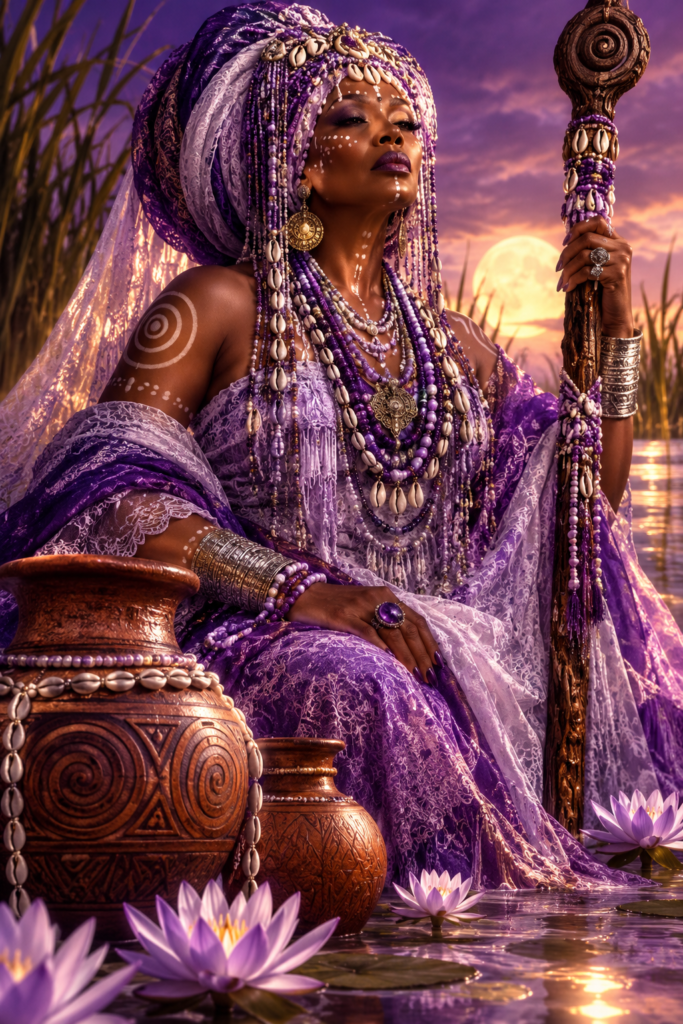
    Nanã is famously associated with mud, clay, marshes, earth, and still or slow-moving waters in several traditions.
    These symbols carry profound meaning.
    Clay exists where earth and water meet.
    It can be shaped.
    It can hold impressions.
    It can be transformed.
    And ultimately, it returns to the earth.
    For this reason, Nanã’s symbolism is frequently connected with the great cycles of existence—birth, life, aging, death, ancestry, and renewal.
    Rather than presenting these cycles as something to fear, Nanã’s symbolism invites us to recognize them as part of nature.
    Everything has its season.
    Everything changes.
    And every ending creates space for something else to emerge.
    The Spiritual Lesson of Divine Timing
    We live in a culture obsessed with speed.
    We want immediate answers.
    Immediate success.
    Immediate healing.
    Immediate manifestation.
    Nanã offers another perspective:
    Some things need time.
    A seed cannot be forced into becoming a tree overnight.
    Deep emotional wounds may require patience.
    Wisdom develops through experience.
    Relationships mature through understanding.
    And some dreams require preparation before we are ready to receive them.
    Nanã’s symbolism therefore offers a powerful spiritual lesson:
    Trust the process without abandoning the work.
    Divine timing does not mean doing nothing.
    It means taking your steps while allowing life to unfold in its proper season.
    Sacred Symbols Associated With Nanã
    Associations vary among traditions and lineages, but Nanã is commonly connected with imagery such as:
    Clay and mud — creation, transformation, mortality, and the earth.
    Marshes and wetlands — the meeting place between earth and water.
    Still or calm waters — patience, reflection, depth, and ancient wisdom.
    Earthen vessels — connection with the earth and traditional ways of life.
    Purple, lilac, and white — colors frequently associated with Nanã in Brazilian traditions, although exact colors can vary by religious house.
    The ibiri — one of Nanã’s particularly important ritual emblems in Brazilian Candomblé, traditionally constructed from natural materials and associated with her authority and ancestral character.
    When learning about sacred symbols, remember that religious objects used within initiated traditions can have meanings and rules that go far beyond their appearance.
    Nanã Buruku and the Ancestors
    Nanã’s associations with age, death, earth, and ancestral memory naturally connect her with those who came before us.
    But ancestor reverence does not have to mean living in the past.
    It can mean remembering where we came from while becoming something greater.
    We honor our ancestors when we preserve meaningful family stories.
    We honor them when we learn from their victories and their mistakes.
    We honor them when we care for our elders.
    And we honor them when we create healthier patterns for the generations that follow us.
    One beautiful question inspired by Nanã’s symbolism is:
    What wisdom am I leaving behind for the people who come after me?
    Why Is July 26 Associated With Nanã Buruku?
    July 26 is an important devotional date for Nanã in a number of Brazilian Afro-diasporic communities.
    The date also corresponds with the Catholic Feast of Saint Anne, traditionally regarded as the mother of Mary and grandmother of Jesus.
    During the colonial period and afterward, African religious traditions in the Americas developed complex relationships with Catholic saints. In some communities, Nanã became associated or syncretized with Saint Anne because both carried powerful imagery surrounding age, motherhood, ancestry, and grandmotherly wisdom.
    It is important, however, not to treat the two figures as simply interchangeable.
    Nanã Buruku is not Saint Anne.
    They belong to different religious traditions.
    Their association reflects the complicated historical development of Afro-diasporic religions and religious syncretism.
    Likewise, July 26 should not be presented as a universal feast day observed identically by every devotee of Nanã.
    Practices vary according to tradition, country, temple, house, and lineage.

    Honoring the Wisdom Nanã Represents

    If you are not initiated into a tradition that venerates Nanã, you do not need to imitate formal ceremonies.
    Instead, you can respectfully reflect on the universal spiritual lessons her symbolism inspires.
    Spend time in silence.
    Listen to an elder.
    Write down an important lesson life has taught you.
    Research your family history.
    Express gratitude to those who helped you become who you are.
    Practice patience with someone who needs compassion.
    Sit peacefully beside water.
    Or simply ask yourself:
    Where in my life am I trying to force something that needs time?
    Formal offerings, initiatory practices, sacred songs, ritual objects, and ceremonies should be approached according to the teachings of the specific tradition or lineage from which they come.
    Respect is itself a spiritual practice.
    A Reflection for Wisdom, Healing and Peace
    Take a quiet moment.
    Breathe slowly.
    Think about everything you have survived.
    Think about the lessons you once resisted but now understand.
    Think about the people whose wisdom helped shape your life.
    Then say:
    “May I have the wisdom to recognize what I can change, the patience to allow what needs time, and the courage to continue growing through every season of my life. May I honor those who came before me by living with compassion, integrity, and purpose.”
    Nanã-Inspired Affirmations
    I am grounded in ancient wisdom and guided toward what is right for me.
    I trust divine timing and allow my blessings to unfold at the perfect pace.
    I honor my ancestors with gratitude, love, and respect.
    Healing flows gently through my heart, mind, body, and spirit.
    I move through life’s changes with patience, strength, and grace.
    I release what has completed its purpose and peacefully welcome new beginnings.
    My experiences deepen my wisdom, compassion, and understanding.
    I am rooted, peaceful, and spiritually strong.
    I carry forward the wisdom of those who came before me while creating blessings for those who come after me.
    Peace surrounds me, wisdom guides me, and divine timing works in my favor.

    The Enduring Wisdom of Nanã Buruku

    Nanã Buruku reminds us that power does not always have to announce itself.
    Sometimes power looks like patience.
    Sometimes it looks like surviving.
    Sometimes it means knowing when to speak and when to remain silent.
    Sometimes it means caring for an elder.
    Sometimes it means accepting that a chapter has ended.
    And sometimes the greatest spiritual breakthrough comes when we finally stop fighting life’s timing and begin listening to what the journey is trying to teach us.
    Like deep waters, wisdom can be quiet.
    Like clay, life can reshape us.
    And like the earth itself, we can continually transform while remaining connected to where we came from.
    May we walk forward with greater wisdom, compassion, patience, and peace.
    Awake. Transform. Conquer.

  • Marie Laveau: The Voodoo Queen Who Ruled New Orleans

    Marie Laveau: The Voodoo Queen Who Ruled New Orleans

    Marie Laveau was the most powerful Voodoo Queen in American history. Explore her life, legacy, and enduring mystical influence on New Orleans culture and spiritual practice.

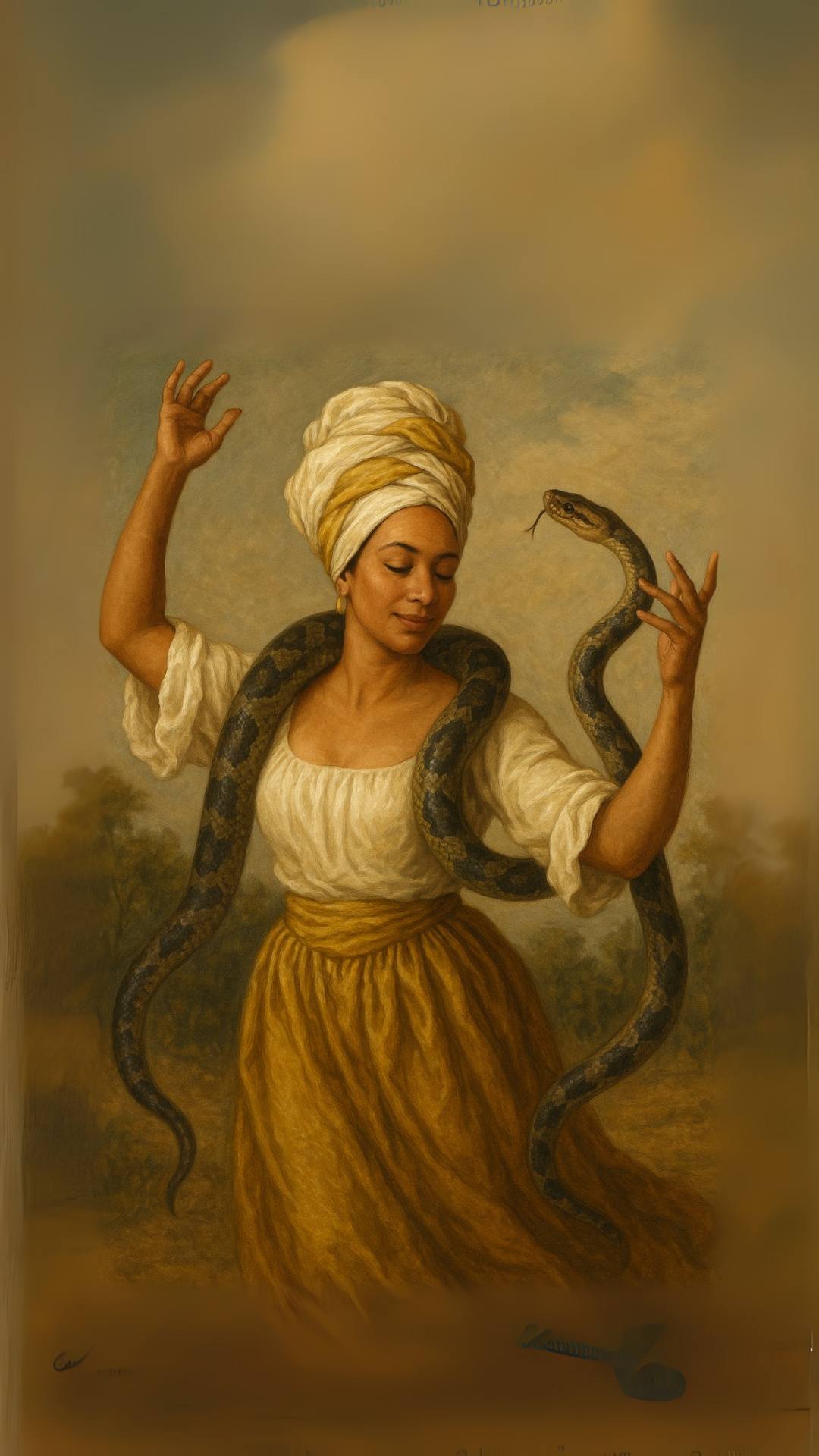
    Few names carry the mystique, reverence, and enduring influence of Marie Laveau. Known as the Voodoo Queen of New Orleans, she was a healer, spiritual leader, herbalist, and community figure whose legend has transcended centuries.

    From whispered spells in candlelit rooms to grand public ceremonies beneath the oaks of Congo Square, Marie Laveau’s story blends history, spirituality, and legend—making her one of the most fascinating women in American folklore.


    Early Life: A Foundation of Culture and Power

    Marie Laveau was born in New Orleans on September 10, 1801, a city already pulsing with cultural fusion—French, Spanish, African, and Indigenous traditions blended into a spiritual melting pot.

    She was a free woman of color, raised in a deeply Catholic environment, but surrounded by African spiritual practices that shaped the city’s unique brand of Voodoo (or Vodou). She became a hairdresser to New Orleans’ elite, which gave her rare access to the secrets, scandals, and desires of the city’s most powerful families.

    Her role as a hairdresser was far more than cosmetic—it became her window into influence. Through whispered conversations and keen observation, Marie learned what people feared, loved, and wanted most.


    Rise to Power: Queen of Voodoo

    By the 1820s and 1830s, Marie Laveau was no longer just a skilled hairdresser—she had become a formidable spiritual authority.

    She combined:

    • Catholicism — attending mass daily and using saints’ imagery
    • West African spiritual traditions — inherited through generations of enslaved peoples
    • Herbalism & healing arts — using plants and oils for spiritual and physical remedies
    • Magical rituals & divination — including candle magic, gris-gris (charm bags), and petition work

    Marie held elaborate Voodoo ceremonies at Congo Square, blending sacred drumming, dance, chants, and invocations to the spirits (loa). These gatherings drew people from all walks of life—enslaved Africans, free people of color, Creoles, and even wealthy white citizens curious about her power.

    Her reputation grew to legendary proportions. People sought her for:

    • Love spells and relationship advice
    • Legal interventions and court cases
    • Business blessings and prosperity rituals
    • Healing and protection

    She became both revered and feared—a woman whose blessings could change lives, and whose displeasure could unsettle even the boldest hearts.


    Spiritual Practices & Rituals

    Marie Laveau’s magic was not wild superstition—it was structured, intentional, and rooted in deep spiritual knowledge.

    Her methods often included:

    • Gris-gris bags: Charms filled with herbs, stones, personal items, and prayers for specific intentions.
    • Saint petitions: She worked closely with Catholic saints like St. Expedite and St. Anthony, merging their veneration with African spirits.
    • Candle rituals: Colored candles dressed with oils and herbs, often burned for days to petition spirits.
    • Ancestral reverence: Honoring the spirits of those who came before, calling on their protection and wisdom.

    Many modern practitioners of New Orleans Voodoo, Hoodoo, and folk magic still draw on her techniques today.


    Legacy: More Than Legend

    Marie Laveau passed away in 1881, but her presence never left New Orleans. Her tomb in St. Louis Cemetery No. 1 remains one of the most visited spiritual sites in the United States. Visitors often leave offerings—candles, flowers, coins, and notes—asking for her blessings in matters of love, luck, justice, and spiritual power.

    Her story has inspired books, songs, films, TV shows, and spiritual lineages. She is revered as:

    • A powerful Black woman who navigated race, class, and gender hierarchies with brilliance
    • A folk saint and spiritual ally for those seeking justice and magical aid
    • A symbol of New Orleans mysticism, blending Catholicism, Voodoo, and Creole culture into something utterly unique

    To this day, many practitioners still call upon Marie Laveau’s spirit in rituals, believing she responds swiftly and powerfully to sincere petitions.


    How to Honor Marie Laveau Today

    If you feel drawn to her energy, you can honor her respectfully through simple practices:

    Devotees honor her birthday September 10th

    1. Light a white or purple candle in her name, asking for her blessings.
    2. Place offerings like flowers (especially roses), coins, or rum on your altar.
    3. Speak your petition aloud—be direct, respectful, and sincere.
    4. Acknowledge her lineage—recognize the cultural and spiritual traditions she represents.

    Many who honor her report powerful synchronicities, dreams, and swift spiritual responses.


    Marie Laveau’s legacy is far more than myth. She was a real woman, a spiritual leader, and a community pillar who commanded respect in a world designed to limit her power. Through intelligence, faith, and spiritual mastery, she became a living legend—one whose energy still vibrates through New Orleans and beyond.

    Honoring her is not just about fascination with the past; it’s about acknowledging a spiritual force that continues to empower people today.

  • The Rose of Jericho: Ancient Resurrection Plant of Wealth, Protection, and Miracles

    The Rose of Jericho, also known as the Resurrection Plant, is more than a botanical curiosity — it’s a powerful spiritual tool used across cultures to manifest abundance, protection, and divine transformation. Whether you’re a seasoned metaphysical practitioner or new to energy work, this living talisman can become a sacred ally on your journey.

    In this post, we’ll explore:

    • The history and meaning of the Rose of Jericho
    • Its use in spiritual rituals
    • How to activate its power
    • Affirmations and prayers to use with it
    • And how to incorporate it into your home or altar

    What Is the Rose of Jericho?

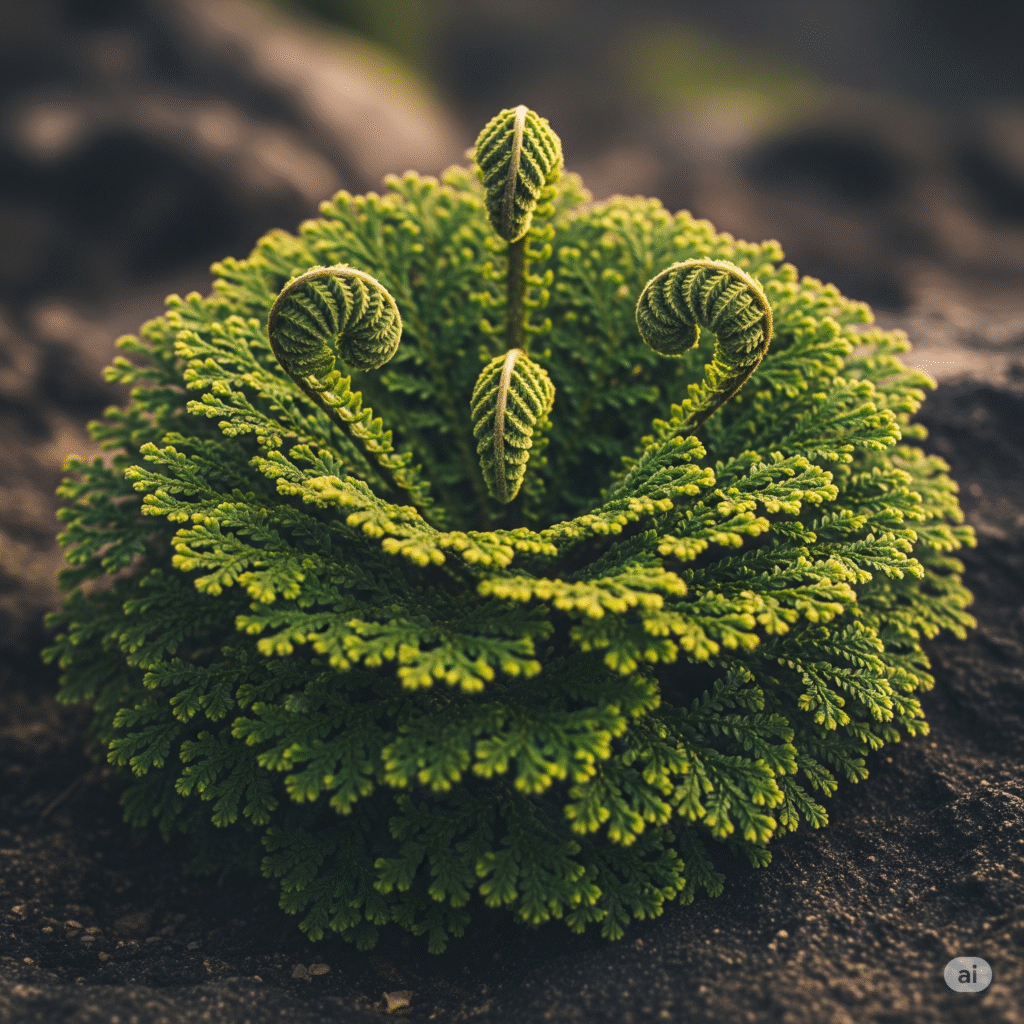
    The Rose of Jericho (Selaginella lepidophylla) is often called a resurrection plant because of its unique ability to survive extreme dehydration. In its dry state, it looks like a lifeless tumbleweed. But when placed in water, it miraculously unfurls and turns green, symbolizing rebirth, renewal, and the return of life.

    This quality makes it a powerful symbol of spiritual regeneration and an embodiment of the Law of Attraction: what was once barren can bloom again.


    Cultural & Spiritual History

    The Rose of Jericho has been used in various traditions including:

    • African Traditional Religions and diaspora practices for drawing good spirits and banishing the bad
    • Hoodoo & Rootwork for reversing bad luck and attracting prosperity
    • Catholic folk magic where it’s associated with the Virgin Mary and miraculous petitions
    • Curanderismo (Mexican folk healing) for protection and blessing the home

    Legends say the plant bloomed at the touch of the Virgin Mary as she fled through the desert, and others claim it was present during the time of Christ. Its historical roots run deep — and its power remains just as relevant today.


    Spiritual Uses of the Rose of Jericho

    This plant is known to:

    • Attract money and prosperity
    • Break hexes or bad luck
    • Protect your home from negative energy
    • Bless new beginnings (perfect for moon rituals or spiritual resets)
    • Resurrect hope, faith, and energy when you feel spiritually dry or stagnant

    How to Activate the Rose of Jericho

    1. Get a clear glass or bowl and fill it with fresh water (rainwater or spring water is best).
    2. Place the dried Rose of Jericho in the bowl. Within a few hours to a day, it will start to open.
    3. Speak your intentions aloud as the petals unfurl. This is your moment of spiritual alignment.

    Tip: Add coins, basil, cinnamon, or a drop of money-drawing oil to enhance abundance energy.

    1. Use the water to anoint your front door, wallet, or altar. You can also pour it across thresholds for home protection.

    Affirmations to Say Over the Rose of Jericho

    Speak these while watching the plant awaken:

    • “As you open, so does my path to wealth.”
    • “What was once still now flows with divine energy.”
    • “I call forth abundance, miracles, and divine timing.”
    • “All blockages are reversed. I am in the flow of blessings.”
    • “Resurrect my strength, renew my mind, and awaken my highest path.”

    Powerful Prayer to the Rose of Jericho

    “O Rose of Jericho, holy plant of resurrection,
    awaken with this water, and bless my sacred intention.
    Open the doors that have been closed.
    Bring back what was lost.
    Protect my path, attract prosperity,
    and let no harm cross my threshold.
    As you rise, so shall I.
    As you bloom, so does my destiny. Amen.”


    Where to Place It

    • On your altar as a living symbol of manifestation
    • Near your entryway for protection and wealth flow
    • On your desk or workspace to boost clarity and open opportunities
    • In the center of a petition ritual (under the bowl, place a paper with your written request)

    After 7 days, remove the Rose and allow it to dry again. Store it in a sacred cloth or box. It can be used again and again — its power never dies.