Tag: #divineprotection

  • Maa Katyayani: Navratri Day 6 Meaning & Courage

    Maa Katyayani: Navratri Day 6 Meaning & Courage

    There are moments when courage looks like speaking honestly. Sometimes it means setting a boundary, asking for help, or finally beginning something you have been postponing.

    On Day 6 of Navratri, we honor Maa Katyayani, a powerful form of Goddess Durga. Her image invites us to reflect on strength, purposeful action, and the courage to face challenges while keeping our hearts open.

    As our Awake and Conquer Navratri journey continues, consider this question:

    Where am I ready to act with greater courage?

    Who Is Maa Katyayani?

    Maa Katyayani is the sixth of the Navadurga—the nine forms of Goddess Durga honored during Navratri.

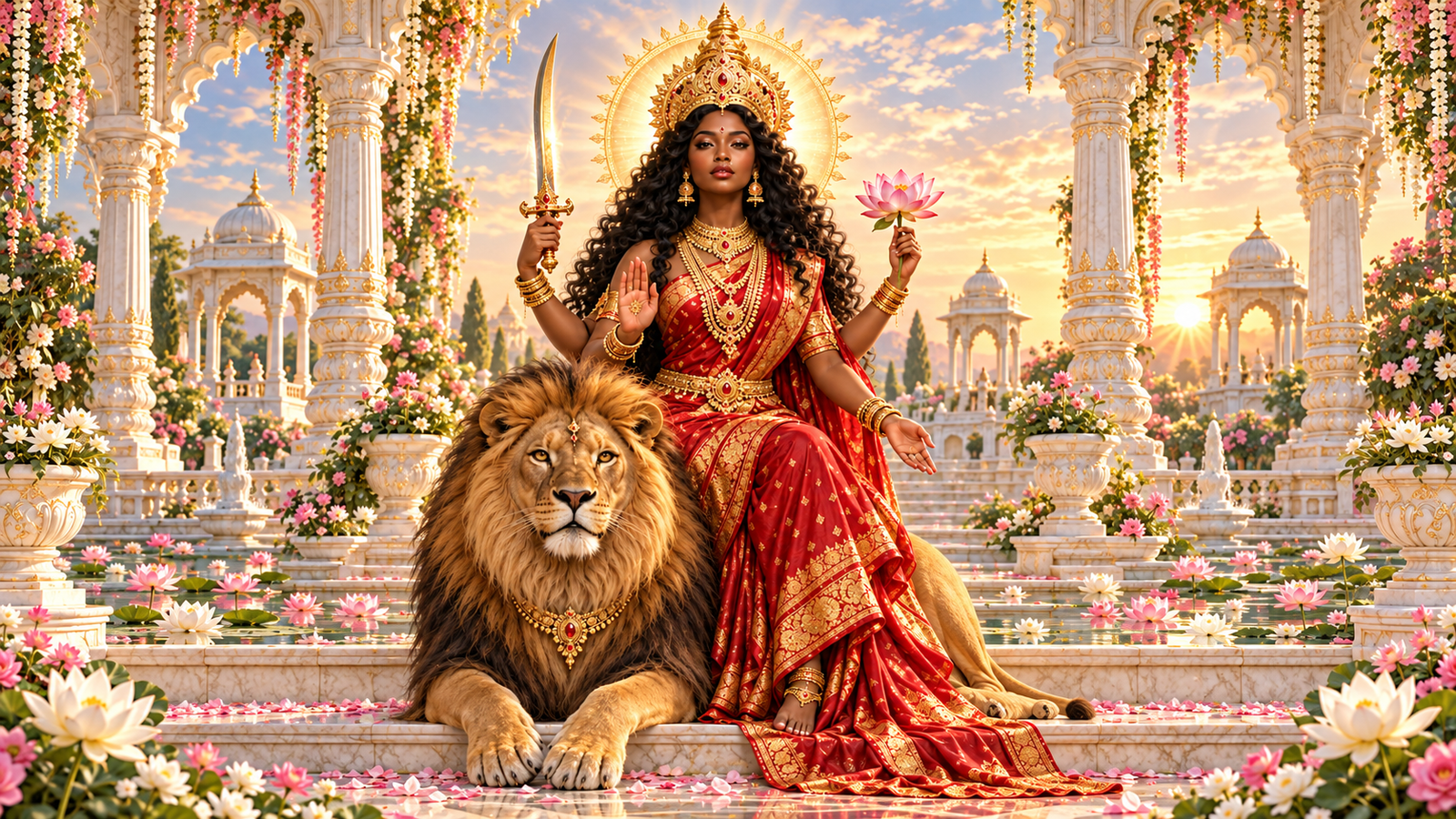
    She is traditionally depicted riding a lion, holding a sword and a lotus, with her other hands offering gestures of protection and blessing. This combination creates a striking image of power alongside grace. www.drikpanchang.com

    For devotees, her worship is an expression of faith and reverence. For our reflection today, her sacred imagery also offers an opportunity to consider how we meet difficulties and use our own strength.

    Reflecting on the Lion, Sword, and Lotus

    Looking at Maa Katyayani’s image, we can draw inspiration from the qualities her symbols bring to mind.

    The lion invites a reflection on courage. What would it look like to stand steadily in a difficult moment? You might still feel nervous, yet choose to have an important conversation or take a manageable step forward.

    The sword can inspire discernment. Consider what needs a clear decision. Perhaps a commitment no longer fits your capacity, or a familiar habit keeps taking time away from something meaningful.

    The lotus offers a reminder to remain open to growth. Strength can make room for kindness, patience, and compassion.

    These are personal reflection prompts inspired by her imagery. They offer a way to bring today’s themes into everyday life.

    Where Do You Need Courage Today?

    You may already know the answer.

    Perhaps there is something you need to say, but you have been waiting for the perfect moment. Perhaps you have a creative dream that keeps getting pushed aside. Or perhaps you have been caring for everyone around you while overlooking your own need for rest.

    Start by naming one situation.

    Then ask yourself: What action would honor both my well-being and my responsibilities?

    Speaking honestly might mean expressing a need calmly and clearly. Protecting your peace might mean limiting a draining commitment. Moving toward a dream might mean setting aside twenty minutes to begin.

    Give yourself a step you can realistically complete.

    A Simple Courage Reflection

    Take a quiet moment with a notebook or the notes on your phone. This is a personal reflection exercise inspired by the day’s themes, rather than a formal Navratri worship practice.

    Sit comfortably and allow your breathing to settle naturally.

    Write your answers to these questions:

    • What have I been postponing because I feel afraid or uncertain?
    • What matters enough for me to give it my attention?
    • What information or support would help me move forward?
    • What is one courageous action I can take today?

    Read your answers without criticizing yourself. Hesitation can show you where you need preparation, encouragement, or a smaller first step.

    Choose your action and decide when you will take it. You might send an inquiry, schedule a conversation, outline a project, or ask someone trustworthy for support.

    Let courage become a choice you can put into practice.

    Five Affirmations for Courage and Inner Strength

    Use these original affirmations as part of your reflection. They are modern statements of intention, rather than traditional religious mantras.

    I honor my strength.

    I can face challenges with a steady heart.

    I express my needs with clarity and respect.

    I welcome the support that helps me grow.

    I choose one courageous action today.

    Speak each statement slowly. Consider what it would look like to support it with an everyday action.

    If a statement feels difficult to believe, soften it into a beginning: “I am learning to honor my strength,” or “I am practicing speaking with clarity.”

    Allow your words to meet you where you are.

    Let Your Next Step Matter

    Courage grows through practice. Each time you follow through on a thoughtful decision, you gather experience you can draw on again.

    You may discover that you can handle an uncomfortable conversation. You may learn that asking for help creates room to move forward. You may find that a dream feels more possible once you give it a place in your day.

    As you reflect on Maa Katyayani, consider how strength and grace can guide your next choice.

    Take a gentle breath. Name what matters. Choose your next step.

    What courageous action are you choosing today? Share it in the comments below.

    Watch our Maa Katyayani Day 6 reel on Awake and Conquer, and continue exploring the nine forms of Durga with us throughout this Navratri series.

    Jai Maa Katyayani.
  • Maa Chandraghanta: Courage & Protection | Navratri Day 3

    Maa Chandraghanta: Courage & Protection | Navratri Day 3

    You can be gentle and still stand strong. You can care deeply for others while honoring your own boundaries.

    On the third day of Navratri, devotees honor Maa Chandraghanta, the third of the nine forms of Goddess Durga. Revered for courage and protection, she brings together a peaceful presence and a powerful readiness to confront harm.

    Her sacred image invites us to learn about this Hindu devotional tradition and reflect on how we practice courage in everyday life.

    Who Is Maa Chandraghanta?

    In Hindu tradition, Maa Chandraghanta is associated with Goddess Parvati after her marriage to Lord Shiva.

    Her name refers to the half-moon adorning her forehead, described as resembling a bell. “Chandra” means moon, while “ghanta” means bell.

    Devotees worship her during Navratri as a protective form of the Divine Mother. Her strength and compassion are central to her sacred identity.

    Her Traditional Appearance

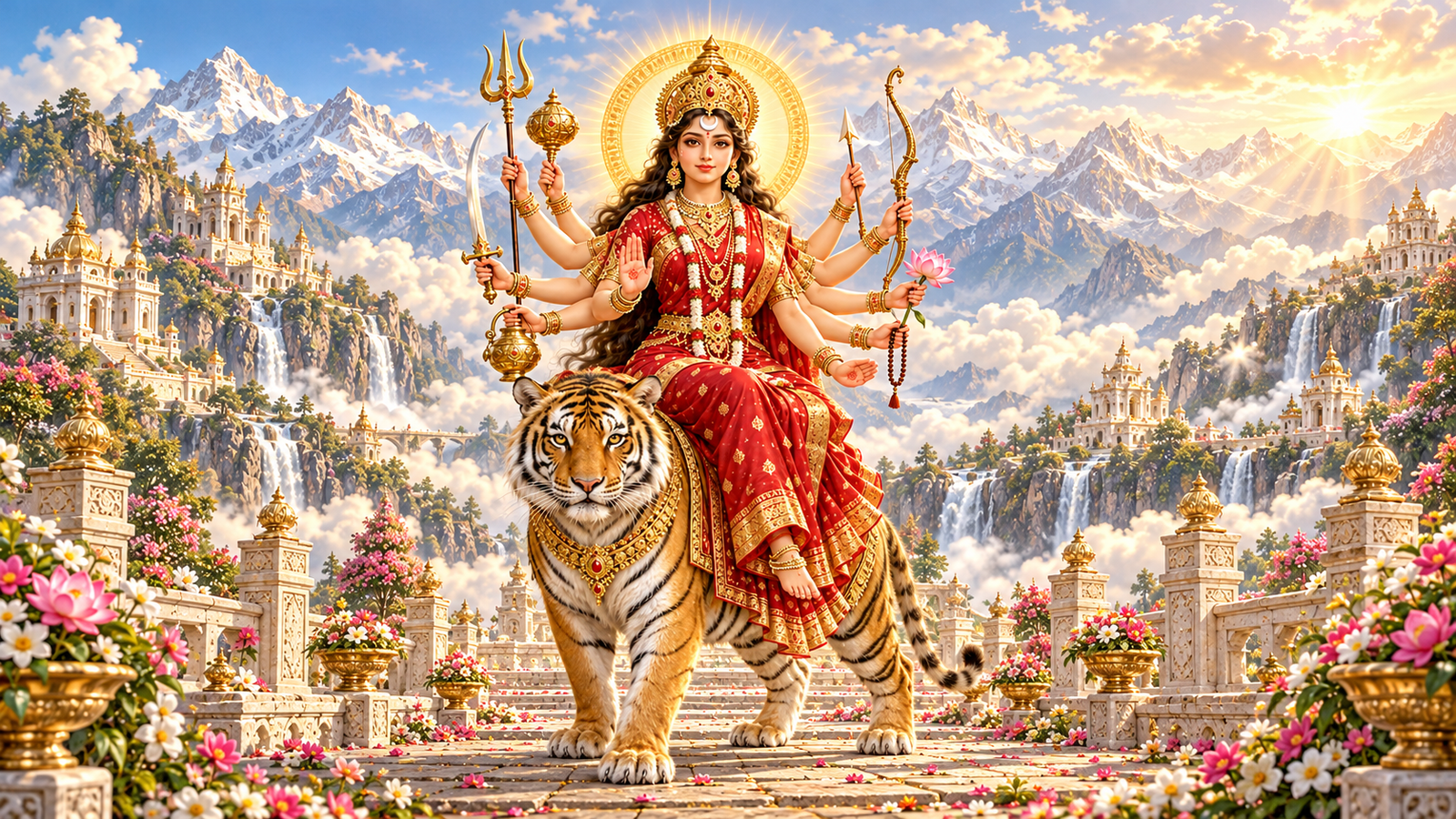
    Maa Chandraghanta is commonly depicted riding a tiger, although some traditions and artworks show a lion.

    She has ten arms bearing sacred objects and weapons, including a trident, sword, mace, bow, and arrow. Other hands hold devotional objects or offer gestures of blessing and reassurance.

    Her appearance conveys readiness and resolve, while her expression remains composed. This combination reflects her protective character: fierce toward harmful forces and compassionate toward her devotees.

    Courage in Everyday Life

    For our reflection at Awake and Conquer, courage can begin with a practical choice.

    It might mean speaking honestly, asking for support, keeping a commitment, or addressing something you have avoided.

    You do not have to wait until every trace of nervousness disappears. Consider what matters, identify the support you need, and choose a thoughtful next step.

    Ask yourself: Where would a little more courage help me today?

    Let your answer be specific enough to act on.

    Protection and Healthy Boundaries

    Maa Chandraghanta’s protection belongs to a sacred devotional context. As an everyday reflection inspired by this theme, we can also consider how we care for our well-being.

    Healthy boundaries may include:

    • Being clear about what you can realistically take on.
    • Giving yourself time before agreeing to a request.
    • Speaking respectfully when something makes you uncomfortable.
    • Seeking help when a situation exceeds what you can manage alone.

    A boundary works best when it is clear and supported by action. You might say, “I can help tomorrow,” or “I need some time to think before I answer.”

    Protecting your peace can include staying connected to people who treat you with care.

    A Quiet Courage Reflection

    Sit comfortably and let your shoulders relax. Take one slow, comfortable breath.

    Ask yourself:

    Where do I need to speak with greater clarity?

    What boundary would support my well-being?

    What courageous action can I take today?

    Write down one answer. Then choose a manageable step: prepare what you want to say, ask a trusted person for support, or make time for a conversation.

    This is an original reflection inspired by courage and protection, rather than a traditional Navratri worship ritual.

    Five Affirmations for Courage and Clarity

    These original affirmations can accompany your reflection:

    I honor my courage.

    My needs deserve thoughtful attention.

    I communicate my boundaries with clarity and respect.

    I welcome support from people I trust.

    I move forward with strength and compassion.

    Choose one affirmation and connect it with a meaningful action.

    Your Day 3 Message

    Maa Chandraghanta’s sacred image reminds us that strength and compassion can exist together.

    As we honor her place in Hindu tradition, we can reflect on our own choices with care. Where do you need to stand firm? Where could you respond with greater compassion? What support would help you move forward?

    Write “I choose courage” in the comments and share one thoughtful step you are taking today.

    Watch Maa Chandraghanta: Courage & Protection on Awake and Conquer, and explore our Hindu Goddesses: Divine Feminine Wisdom & Sacred Stories playlist.

    Visit awakeandconquer.com for more spiritual inspiration and reflections.

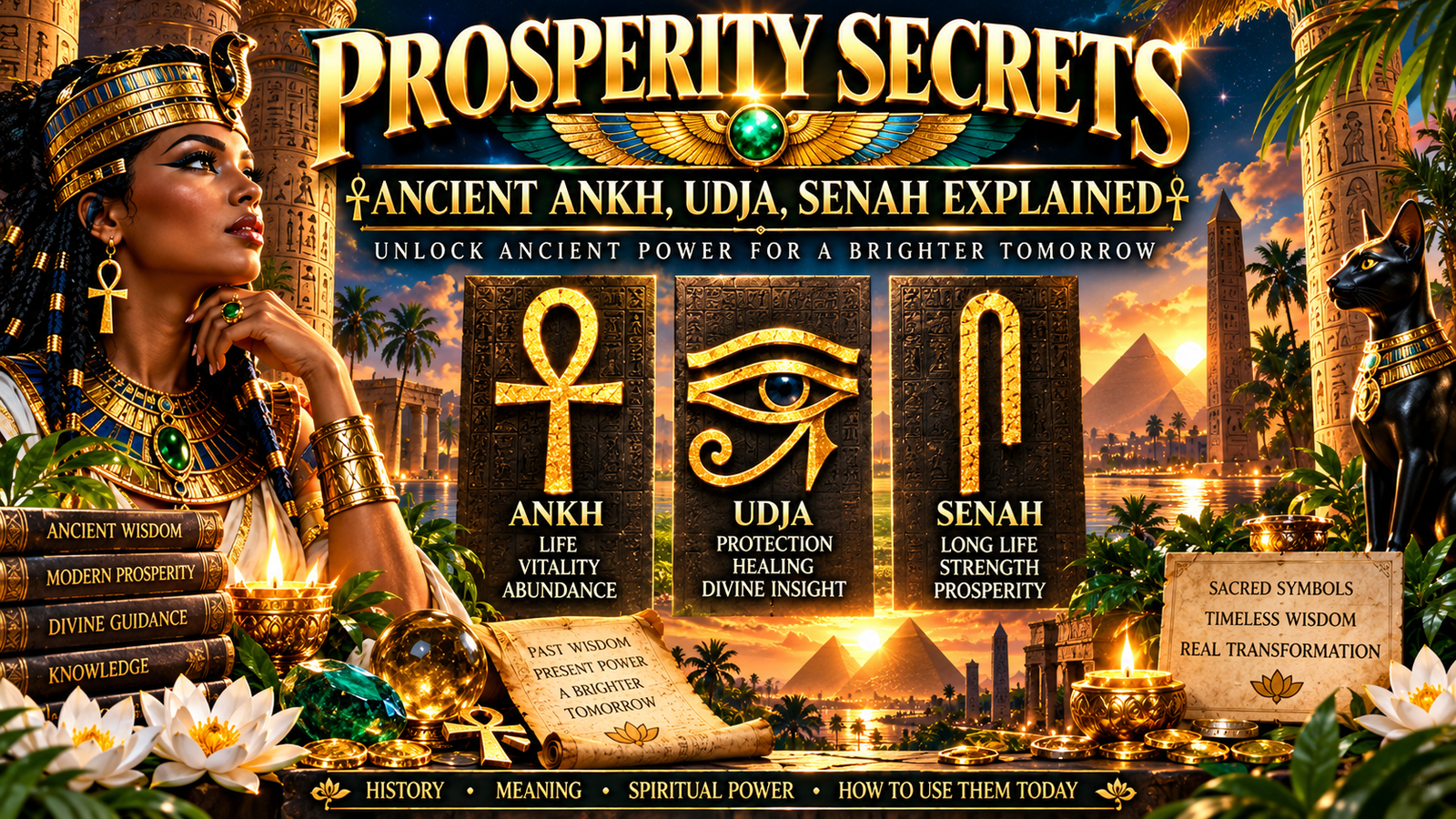
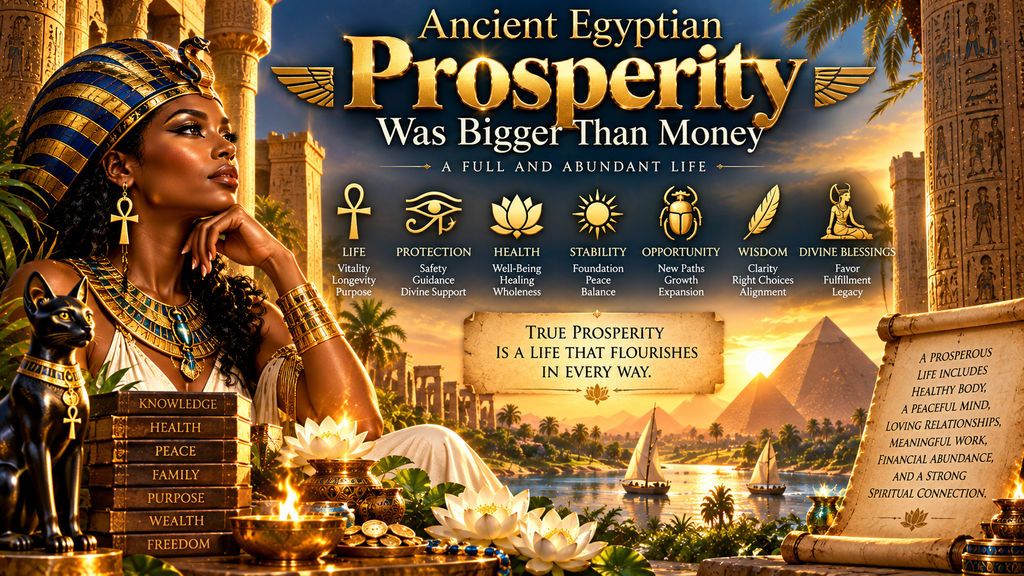
  • Prosperity Secrets: Ancient Ankh, Udja & Senah Symbols Explained

    Prosperity Secrets: Ancient Ankh, Udja & Senah Symbols Explained

    For thousands of years, the sacred symbols of ancient Egypt have fascinated people with their beauty, mystery, and spiritual significance. Carved into temple walls, painted inside tombs, fashioned into jewelry, and carried as amulets, these symbols were far more than decoration. They communicated powerful ideas about life, protection, health, divine authority, renewal, and well-being.

    Among the symbols associated today with prosperity and a flourishing life are the Ankh, the Udja—more commonly transliterated as Wedjat or Udjat—and Senah/Seneb.

    But were these really ancient Egyptian “money symbols”?

    Not exactly.

    Their original meanings were broader and, in many ways, more powerful. Rather than promising riches alone, they represented qualities the ancient Egyptians considered essential to a successful existence: life, wholeness, protection, health, stability, and divine blessing.

    Understanding their historical meanings gives us a much richer way to appreciate them today.

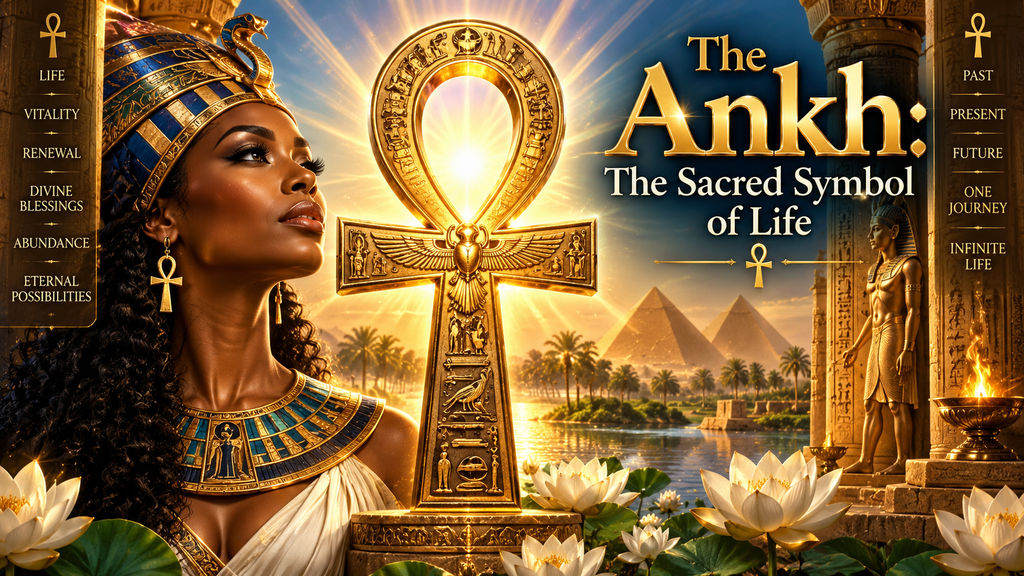
    The Ankh: The Sacred Symbol of Life

    The Ankh is probably the most recognizable symbol associated with ancient Egypt.

    Its Egyptian meaning is remarkably clear. The Ankh hieroglyph was used for words meaning “live,” “alive,” and “life,” and eventually became a symbol of life itself.

    Ancient Egyptian artwork frequently depicts deities holding an Ankh or presenting it to a pharaoh. In some scenes, the symbol is positioned near the nose, connecting divine life with breath and vitality.

    The Ankh therefore wasn’t simply a symbol of material prosperity. It represented something even more fundamental:

    Life. Vitality. Continuation. Divine life.

    Its association with life also extended beyond physical existence into ideas surrounding continued existence after death.

    The Ankh and Prosperity

    From a modern spiritual perspective, it is easy to understand why the Ankh has become connected with abundance.

    True prosperity requires more than money. It can encompass health, vitality, longevity, opportunity, spiritual fulfillment, security, and the ability to enjoy what we have.

    The Ankh can therefore serve today as a reminder to pursue a life that is abundant on every level.

    Affirmation:

    “I welcome abundant life, vitality, opportunity, and divine blessings into my experience.”

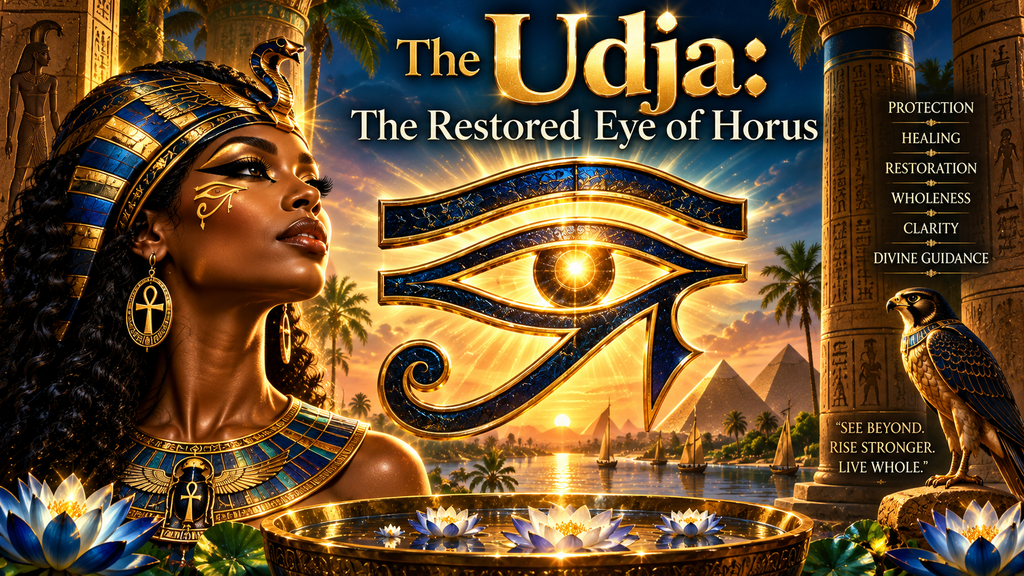
    The Udja: The Restored Eye of Horus

    The symbol sometimes called Udja, Udjat, Wedjat, or the Eye of Horus carries a very different meaning.

    Its ancient Egyptian name is commonly transliterated wedjat, meaning something like “the sound one” or “the restored/whole one.”

    According to Egyptian mythology, the eye of Horus was injured or lost during his conflict with Seth and was subsequently restored. Because of this story, the Wedjat became strongly associated with healing, restoration, protection, regeneration, and becoming whole again.

    It became one of ancient Egypt’s most popular protective amulets. Examples were used by the living and also placed with the dead.

    That historical meaning gives us an intriguing prosperity connection.

    Prosperity isn’t only about gaining something new.

    Sometimes prosperity begins by restoring what has been depleted.

    Restoring your health.

    Rebuilding your confidence.

    Recovering from financial difficulties.

    Protecting what you have already created.

    Recognizing opportunities more clearly.

    The Wedjat can therefore be interpreted in contemporary spiritual practice as a reminder of protection, recovery, wholeness, and renewal—while remembering that claims about attracting money specifically are modern interpretations rather than established ancient Egyptian meanings.

    Affirmation:

    “I am protected, restored, whole, and open to opportunities that support my well-being.”

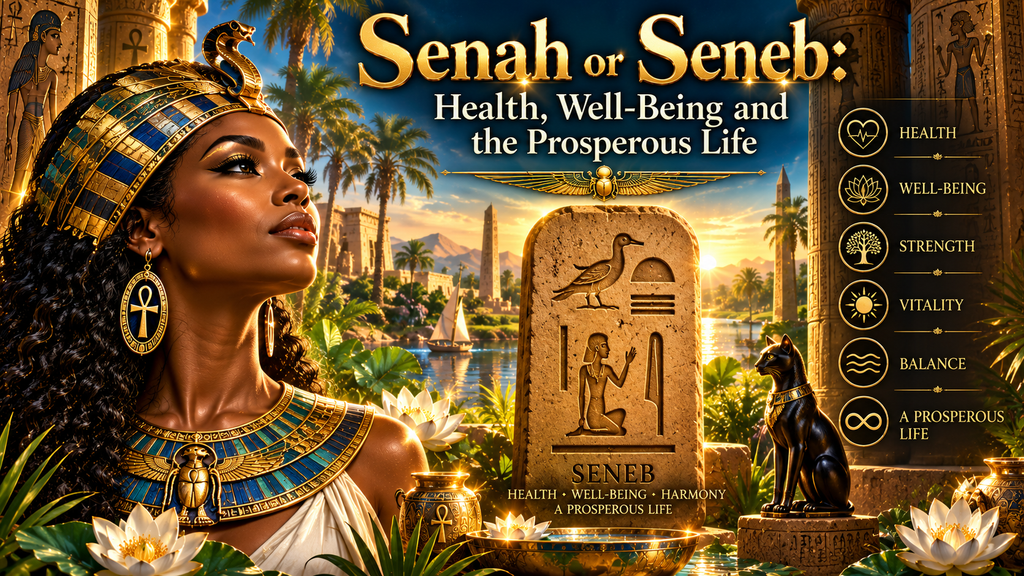
    Senah or Seneb: Health, Well-Being and the Prosperous Life

    This third concept needs a little clarification because modern spiritual graphics sometimes use varying spellings.

    The ancient Egyptian word commonly transliterated seneb (snb) is associated with health and well-being. This matters because ancient Egyptian ideas of flourishing were not restricted to possessions.

    One of the best-known Egyptian expressions combines three powerful concepts:

    Ankh — Life
    Wedja — Prosperity or well-being
    Seneb — Health

    The expression is often rendered in English as:

    “Life, prosperity, and health.”

    This tells us something important about ancient Egyptian ideas of a good life.

    Prosperity existed alongside life and health.

    What good is wealth without the vitality to enjoy it?

    What good is success without well-being?

    What good are possessions if your life is unstable?

    The ancient combination presents something much closer to whole-life prosperity than simply accumulating money.

    Ancient Egyptian Prosperity Was Bigger Than Money

    This is perhaps the most valuable lesson hidden inside these symbols.

    Today, when we hear the word prosperity, our first thought may be money.

    Ancient Egyptian symbolism presents a much wider vocabulary.

    Life mattered.

    Health mattered.

    Protection mattered.

    Stability mattered.

    Regeneration mattered.

    Divine order mattered.

    Power and authority mattered.

    The Metropolitan Museum of Art, for example, preserves an ancient combination of the Ankh (life), Djed (stability), and Was (dominion/power). These symbols could appear together as a powerful combination of wishes.

    Prosperity, viewed through this broader lens, becomes the condition of having the foundations necessary for life to flourish.

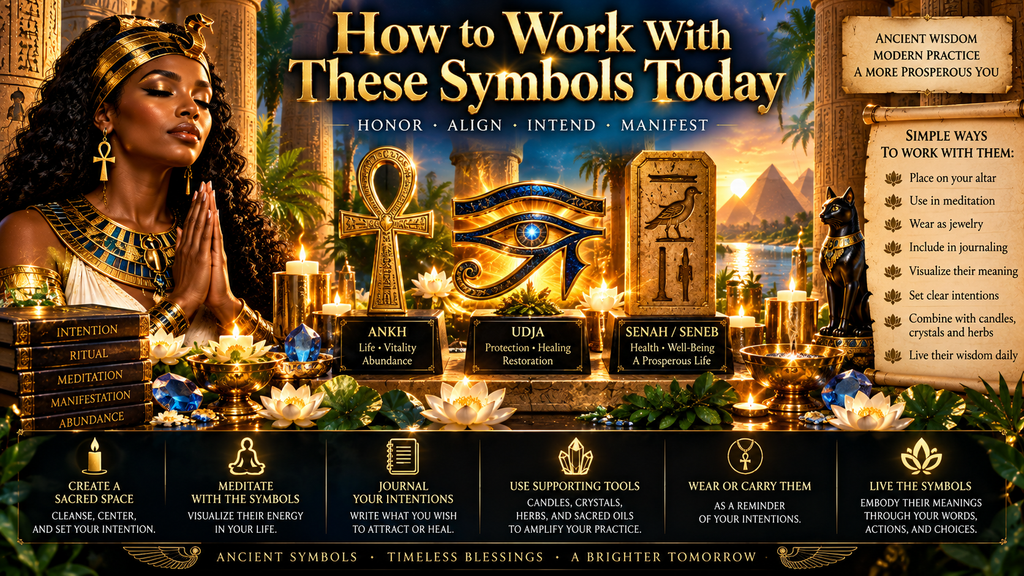
    How to Work With These Symbols Today

    You don’t have to pretend that ancient Egyptians practiced the modern Law of Attraction to find contemporary spiritual meaning in their symbols.

    Instead, you can honor their historical meanings while allowing them to inspire your own intentions.

    The Ankh can represent your intention for abundant life and vitality.

    The Wedjat/Udjat can represent protection, healing, restoration, and wholeness.

    Seneb can remind you to include health and well-being in your definition of prosperity.

    You might place representations of these symbols on an altar or meditation space, use them in journaling, study their history, wear historically inspired jewelry, or contemplate their meanings during meditation.

    The important distinction is that these are modern personal spiritual applications inspired by ancient symbols, not necessarily rituals documented from ancient Egypt.

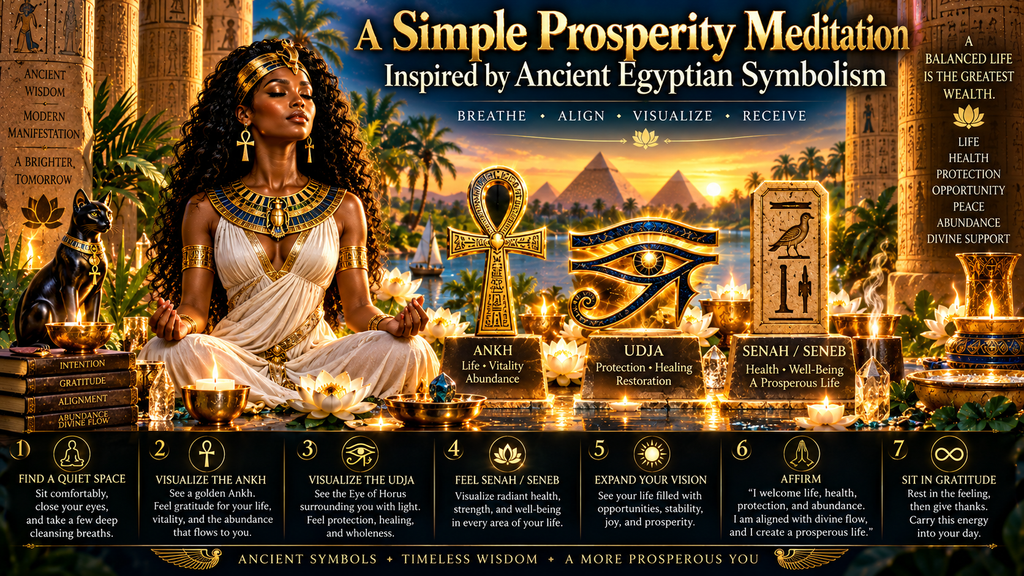
    A Simple Prosperity Meditation Inspired by Ancient Egyptian Symbolism

    Sit somewhere quiet and take several slow breaths.

    Visualize a golden Ankh before you.

    Think:

    Life.

    Feel gratitude for your existence, your vitality, and everything you still have the opportunity to experience.

    Next, visualize the Wedjat Eye.

    Think:

    Wholeness. Protection. Restoration.

    Consider an area of your life that needs to become whole again.

    Finally, contemplate health and well-being—Seneb.

    Think about what prosperity would look like if it included your body, mind, home, relationships, purpose, security, and financial resources.

    Then affirm:

    “I welcome life, health, protection, stability, restoration, opportunity, and abundance. I create prosperity by honoring the whole of my life.”

    Take another breath and allow yourself to sit quietly with that intention.

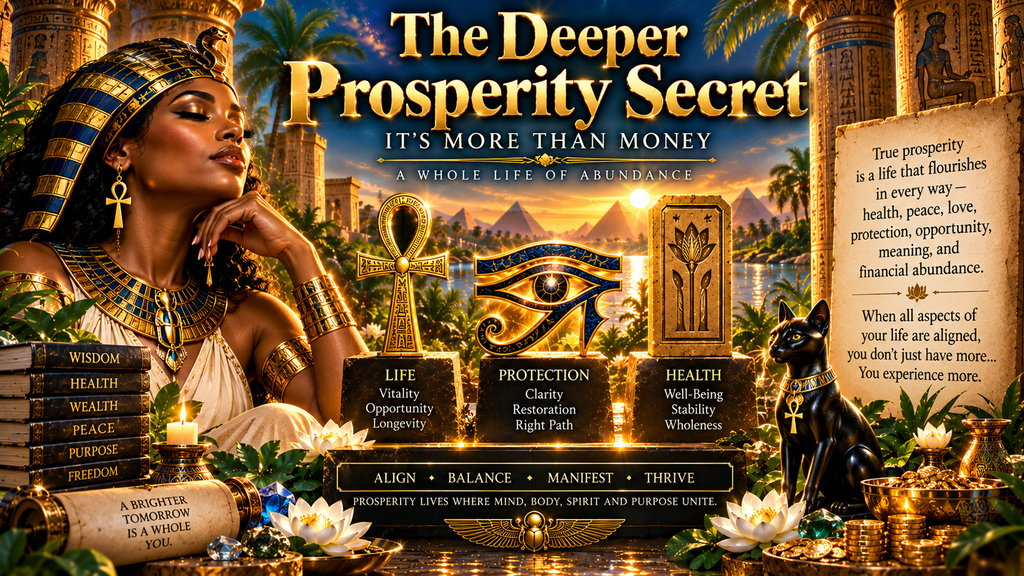
    The Deeper Prosperity Secret

    Perhaps the greatest secret contained within these ancient ideas is surprisingly simple:

    Prosperity is not one thing.

    Money can be part of prosperity, but prosperity can also mean having the health to enjoy your success, the stability to preserve it, the wisdom to use it, the protection to safeguard it, and the vitality to continue creating.

    The Ankh reminds us to live.

    The Wedjat reminds us that what has been damaged can become whole again.

    Seneb reminds us that health and well-being are themselves forms of wealth.

    Together, they offer a powerful modern reflection on abundance:

    Don’t manifest only more. Build a life capable of flourishing.

    Prosperity Affirmations:

    I am surrounded by life, abundance, protection, and opportunity.

    My life is continually expanding into greater prosperity and well-being.


    I protect, appreciate, and wisely grow the abundance already present in my life.

    I am restored, supported, healthy, prosperous, and whole

    .I welcome wealth in every form—health, peace, opportunity, wisdom, love, and financial abundance.

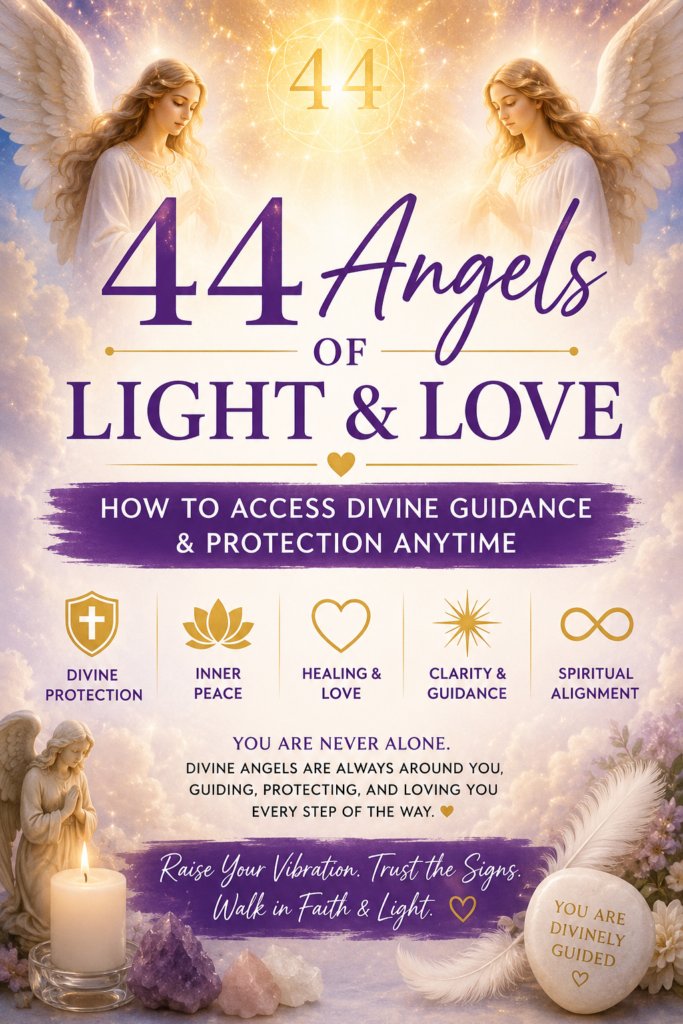
  • 44 Angels of Light & Love: How to Access Divine Guidance & Protection

    A sudden feeling tells you to avoid a situation. A repeated number appears everywhere. A comforting sense of peace surrounds you during difficult times. Many spiritual traditions believe these experiences may be signs of angelic guidance.

    The concept of the 44 Angels of Light and Love has become increasingly popular among spiritual seekers, energy workers, meditation practitioners, and those exploring intuition and divine connection. These angels are believed to assist humanity through protection, healing, wisdom, peace, abundance, emotional support, and spiritual awakening.

    The Spiritual Meaning of 44

    The number 44 is considered highly significant in numerology and spiritual symbolism.

    The number 4 represents:

    • Stability
    • Protection
    • Divine structure
    • Grounding
    • Strong foundations

    When repeated as 44, this energy becomes amplified. Many people believe 44 is connected to angelic support, spiritual protection, and divine alignment.

    This is why seeing:

    • 44
    • 4:44
    • repeating fours

    often happens during periods of transformation, awakening, or emotional healing.

    How Angels Communicate

    Angelic communication is rarely loud or dramatic. Most people experience it subtly through synchronicities and intuition.

    Common signs include:

    • Repeating angel numbers
    • Sudden inner knowing
    • Feathers appearing unexpectedly
    • Powerful dreams
    • Songs with meaningful lyrics
    • Chills or peaceful sensations
    • Sudden clarity during stressful moments
    • Feeling guided away from danger

    Many people notice these signs more frequently when they begin meditation, prayer, journaling, gratitude practices, or spiritual reflection.

    How to Connect with the Angels of Light and Love

    You do not need to be psychic to connect with angelic energy.

    Connection begins with openness, stillness, and intention.

    Simple Angel Connection Ritual

    • Light a white candle
    • Sit quietly without distractions
    • Take several slow breaths
    • Place your hand over your heart
    1. Say:

    “I welcome divine guidance, protection, wisdom, healing, and peace into my life.”

    Then remain still for several minutes.

    Do not force an experience. Angelic guidance often appears naturally over time.

    Raising Your Vibration

    Many spiritual teachers believe angels operate through higher frequencies connected to love, peace, gratitude, compassion, and hope.

    Practices that may help strengthen spiritual awareness include:

    • Meditation
    • Gratitude journaling
    • Prayer Breathwork
    • Nature walks
    • Healing music
    • Visualization
    • Positive affirmations

    Fear contracts energy.

    Love expands it.

    This is why gratitude and inner peace are often described as gateways to stronger intuition.

    Crystals Associated with Angelic Energy

    Many spiritual practitioners use crystals during meditation and prayer.

    Popular crystals linked to angelic connection include:

    • Selenite
    • Angelite
    • Celestite
    • Amethyst
    • Moonstone
    • Clear Quartz

    These are often placed near meditation spaces, altars, beds, or carried throughout the day.

    The Meaning of Angel Numbers

    Angel numbers are believed to be symbolic messages that appear repeatedly during important moments in life.

    Common interpretations include:

    • 111 — manifestation and alignment
    • 222 — balance and trust
    • 333 — spiritual support
    • 444 — protection and divine presence
    • 555 — major change
    • 777 — spiritual wisdom
    • 888 — abundance and flow

    When you notice repeating numbers, pay attention to your thoughts and emotions in that moment.

    Angelic Protection Prayer

    Many people use short prayers for energetic protection and peace.

    Example:

    “I ask the angels of divine light to surround me with protection, wisdom, healing, clarity, and peace. Remove negativity from my path and guide me toward my highest good.”

    Visualization may strengthen the experience. Imagine white or golden light surrounding your body like a protective shield.

    The 44 Angels of Light and Love remind us that spiritual support may be closer than we realize.

    Whether through synchronicities, intuition, dreams, protection, or moments of peace, many believe angelic guidance quietly works behind the scenes to help us move toward healing, growth, and alignment.

    The key is learning to slow down, become present, and recognize the signs.

    Sometimes the universe whispers before it shouts.

    And sometimes the guidance you seek has already been trying to reach you all along.

  • The Shem HaMephorash Angels: Power, Protection, and Transformation

    The Shem HaMephorash Angels: Power, Protection, and Transformation

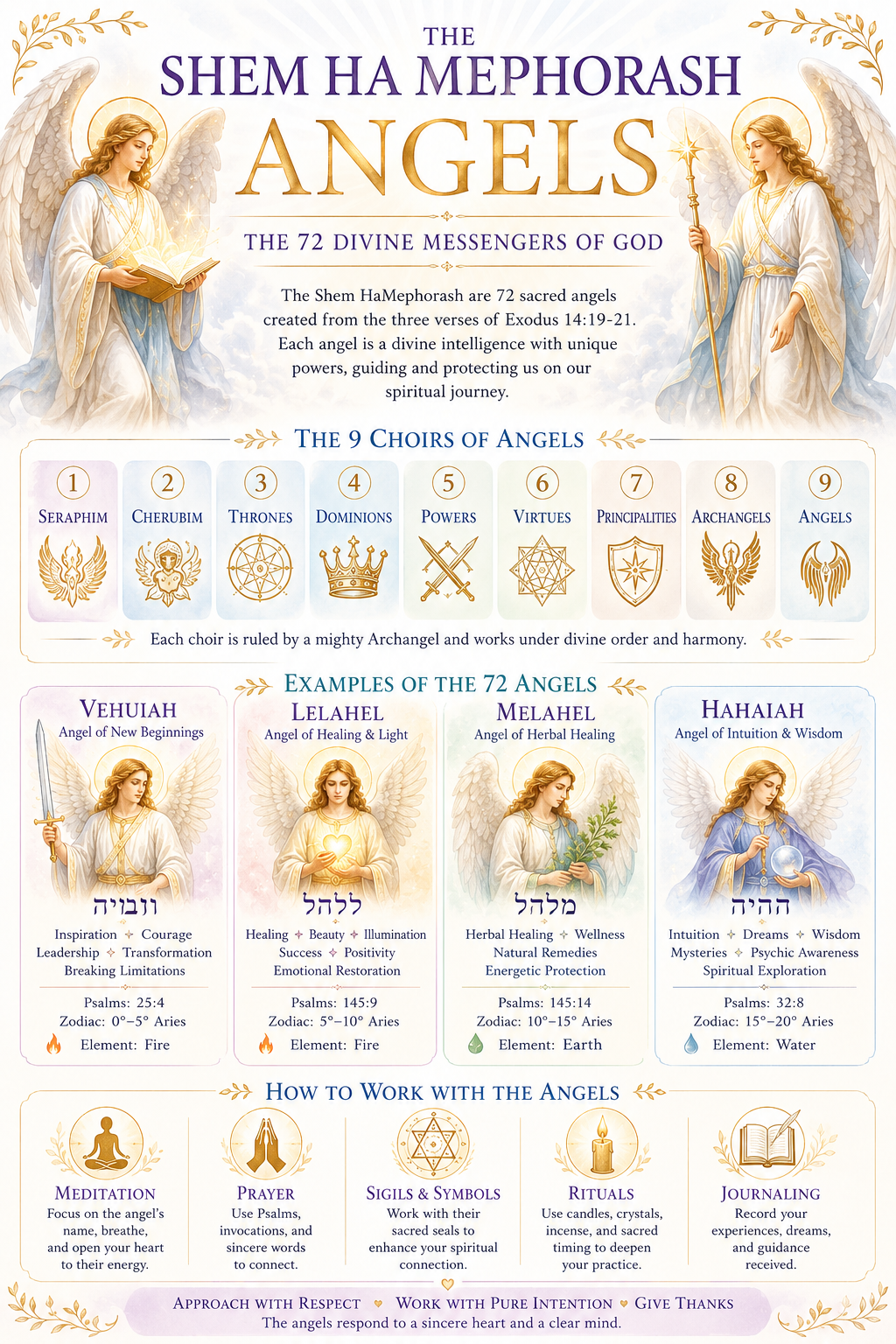
    Discover the 72 Shem HaMephorash Angels — ancient divine messengers of power, protection, and transformation from Kabbalistic tradition. Learn their names and purpose.

    The mysteries surrounding the Shem HaMephorash Angels have fascinated spiritual seekers, mystics, occult practitioners, and scholars for centuries. Often referred to as the 72 Angels of God, these sacred beings are believed to hold powerful divine energies connected to wisdom, healing, manifestation, protection, transformation, and spiritual awakening.

    For many modern spiritual practitioners, the Shem HaMephorash Angels are more than ancient symbolism — they are seen as living spiritual intelligences that can help guide, uplift, and empower those who seek alignment with divine energy.

    In this guide, we’ll explore the origins of the Shem HaMephorash, the meaning behind the 72 angels, how they are organized, their spiritual powers, and how people work with them in meditation, prayer, ritual, manifestation, and spiritual development.

    What Does “Shem HaMephorash” Mean?

    The term Shem HaMephorash comes from Hebrew and is often translated as:

    • “The Explicit Name”
    • “The Divided Name”
    • “The Secret Name of God”

    The system originates from ancient Kabbalistic teachings and mystical interpretations of the Hebrew Bible, particularly Exodus 14:19–21.

    According to tradition, these three verses each contain 72 Hebrew letters. By arranging the verses in a specific sequence and reading them in a mystical pattern called boustrophedon, practitioners derive 72 sacred three-letter names connected to divine forces.

    Each sacred name is associated with one angelic intelligence.

    These became known as the 72 Shem HaMephorash Angels.

    The Origins of the 72 Angels

    The Shem HaMephorash system has roots in:

    • Jewish Kabbalah
    • Mystical Hebrew traditions
    • Medieval grimoires
    • Angelology
    • Ceremonial magick
    • Western esoteric systems

    Over time, these angels became integrated into many spiritual traditions, including:

    • Hermetic teachings
    • Renaissance magic
    • Solomonic traditions
    • Mystical Christianity
    • Modern angel work
    • Meditation systems
    • Manifestation practices

    Many practitioners believe these angels represent divine aspects of consciousness and cosmic intelligence rather than physical beings.


    The Structure of the 72 Shem HaMephorash Angels

    The angels are traditionally divided into groups associated with the nine angelic choirs.

    These include:

    1. Seraphim
    2. Cherubim
    3. Thrones
    4. Dominions
    5. Powers
    6. Virtues
    7. Principalities
    8. Archangels
    9. Angels

    Each choir is ruled by a higher archangel.

    For example:

    • Seraphim are ruled by Archangel Metatron
    • Cherubim are ruled by Archangel Raziel
    • Thrones are ruled by Archangel Zaphkiel
    • Dominions are ruled by Archangel Zadkiel
    • Powers are ruled by Archangel Raphael
    • Virtues are ruled by Archangel Haniel
    • Principalities are ruled by Archangel Michael
    • Archangels are ruled by Archangel Gabriel

    This structure creates a vast spiritual hierarchy designed to channel divine wisdom into different aspects of human life.

    What Are the Powers of the Shem HaMephorash Angels?

    Each of the 72 angels is associated with specific spiritual qualities and energies.

    Some are connected to:

    • Protection
    • Healing
    • Wisdom
    • Prosperity
    • Courage
    • Love
    • Psychic development
    • Creativity
    • Breaking obstacles
    • Success
    • Transformation
    • Spiritual awakening

    For example:

    Vehuiah — Angel of New Beginnings

    Vehuiah is associated with:

    • inspiration
    • courage
    • leadership
    • transformation
    • breaking limitations

    Many people call upon Vehuiah when starting a new chapter in life.


    Lelahel — Angel of Healing and Light

    Lelahel is associated with:

    • healing
    • beauty
    • illumination
    • success
    • positive energy

    This angel is often connected to radiant spiritual energy and emotional restoration.


    Melahel — Angel of Herbal Healing and Protection

    Melahel is linked to:

    • healing herbs
    • wellness
    • natural remedies
    • energetic protection

    Practitioners sometimes invoke Melahel during healing rituals or wellness meditations.


    Hahaiah — Angel of Intuition and Mystical Wisdom

    Hahaiah is associated with:

    • dreams
    • hidden wisdom
    • intuition
    • spiritual mysteries
    • psychic awareness

    This angel is often connected to meditation and inner spiritual exploration.

    The 72 Angels and Astrology

    One of the fascinating aspects of the Shem HaMephorash system is its connection to astrology.

    Each angel governs approximately five degrees of the zodiac.

    Because of this, many practitioners believe certain angels resonate more strongly with people born under specific dates and astrological influences.

    Some people work with:

    • their birth angel
    • guardian angel
    • zodiac angel
    • daily ruling angel

    This has made the system especially popular among spiritual seekers interested in:

    • astrology
    • manifestation
    • moon rituals
    • planetary magic
    • energetic timing

    How People Work with the Shem HaMephorash Angels

    There are many approaches to angelic work depending on spiritual tradition and personal belief systems.

    Common practices include:

    Meditation

    People meditate on:

    • angel names
    • sigils
    • sacred letters
    • divine qualities
    • affirmations

    Meditation is often used to strengthen spiritual awareness and emotional alignment.

    Prayer

    Some practitioners use:

    • Psalms
    • invocations
    • sacred prayers
    • spoken affirmations

    Specific Psalms are traditionally associated with each angel.

    Sigils and Sacred Symbols

    Each angel has:

    • Hebrew letter combinations
    • sigils
    • seals
    • sacred correspondences

    Many practitioners place these symbols:

    • on altars
    • in journals
    • on candles
    • in manifestation work
    • in meditation spaces

    Ritual Work

    Advanced practitioners sometimes combine:

    • planetary hours
    • moon phases
    • candles
    • crystals
    • incense
    • Psalms
    • sacred oils

    These rituals are often designed for:

    • protection
    • abundance
    • healing
    • confidence
    • spiritual elevation

    Are the Shem HaMephorash Angels Dangerous?

    This question is widely debated.

    Many spiritual practitioners view the angels as benevolent divine intelligences connected to higher consciousness and spiritual growth.

    Others believe angelic systems should be approached respectfully and carefully, especially within ceremonial traditions.

    As with any spiritual path:

    • intention matters
    • discernment matters
    • grounding matters
    • personal belief
    • systems matter

    Many people choose to approach angel work through prayer, meditation, gratitude, and spiritual reflection rather than intense ceremonial practices.

    The 72 Angels of Magick: Instant Access to the Angels of Power  by Damon Brand is an excellent book.

    Why the 72 Angels Remain Popular Today

    Interest in the Shem HaMephorash Angels continues to grow because people are seeking:

    • spiritual connection
    • inner healing
    • personal empowerment
    • divine guidance
    • energetic protection
    • manifestation support

    Modern spiritual communities often combine angel work with:

    • mindfulness
    • meditation
    • manifestation
    • astrology
    • law of attraction practices
    • energy healing

    For many, these angels symbolize hope, transformation, and divine possibility.

    Simple Angel Meditation Practice

    If you are new to working with the Shem HaMephorash Angels, many practitioners recommend beginning with a simple meditation practice.

    Basic Practice

    • Sit quietly in a peaceful space.
    • Light a white candle if desired.
    • Take slow deep breaths.
    • Focus on gratitude and calmness.
    • Speak the name of the angel slowly and respectfully.
    • Reflect on the quality you wish to invite into your life.
    • End with gratitude.

    Many people journal afterward to record:

    • thoughts
    • dreams
    • synchronicities
    • emotions
    • inspiration

    The Shem HaMephorash Angels remain one of the most fascinating systems within mystical spirituality and angelic traditions. Whether approached symbolically, spiritually, meditatively, or ceremonially, these 72 divine intelligences continue to inspire seekers around the world.

    For some, they represent ancient mystical wisdom.

    For others, they are guides toward healing, manifestation, protection, and spiritual awakening.

    No matter your path, the study of the Shem HaMephorash invites deeper reflection into the mysteries of consciousness, divine connection, and the hidden spiritual forces that many believe shape our lives.


  • Guardian Angels: Divine Protectors

    Guardian Angels: Divine Protectors

    What are guardian angels and how do they work? Explore the spiritual truth about your personal celestial guides, how to connect with them, and signs they’re near.

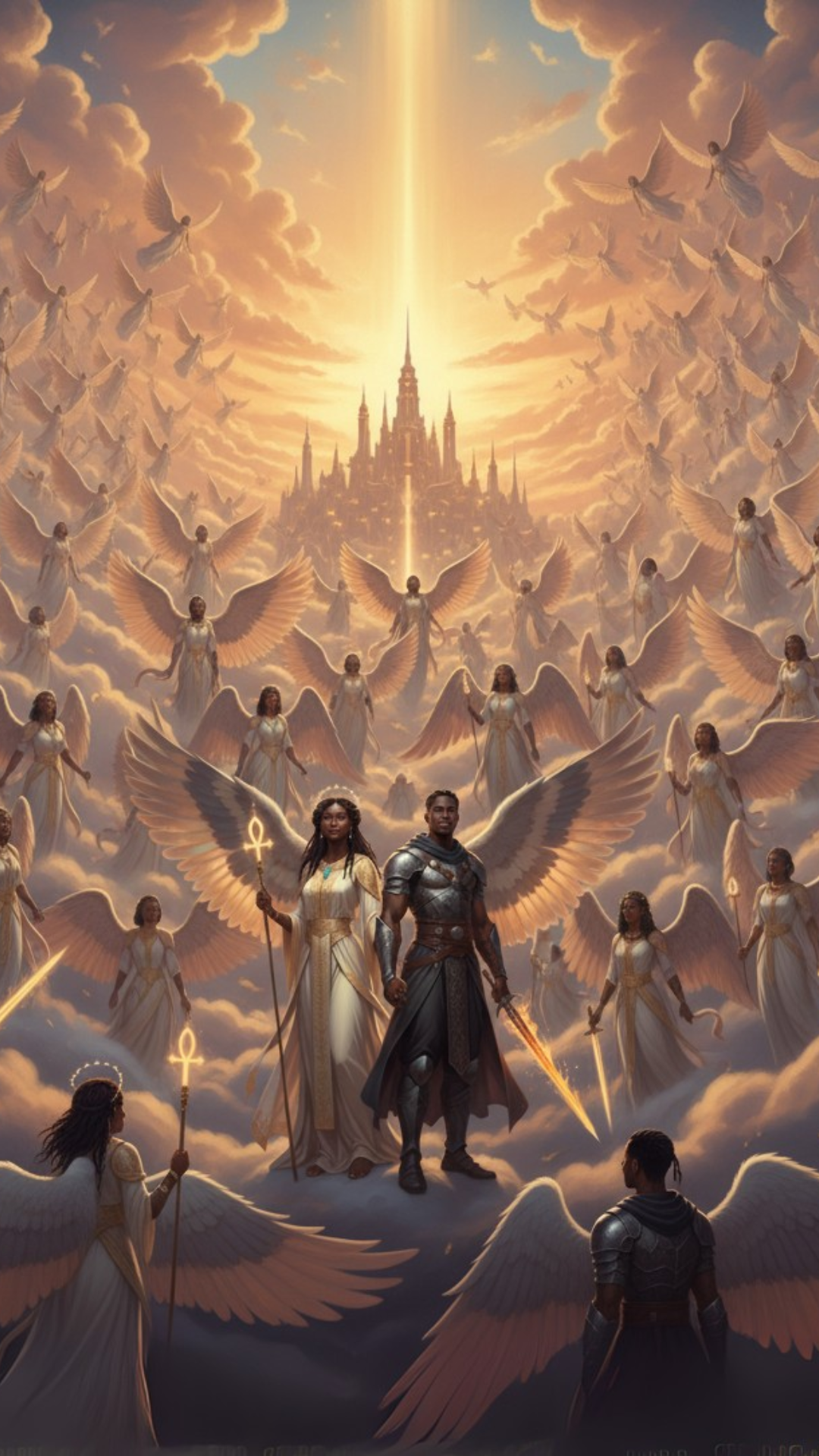
    Throughout history, countless cultures and spiritual traditions have shared a powerful belief: we are never truly alone. Guardian angels are viewed as divine messengers, protectors, and guides—celestial beings assigned to watch over us from the moment we enter this world.

    What Are Guardian Angels?

    Guardian angels are believed to be spiritual beings sent by the Divine to protect, guide, and support individuals throughout their lives. They act as invisible companions who offer comfort in difficult times, nudge us toward better choices, and shield us from unseen dangers. While unseen to most, many people report feeling their presence through intuition, dreams, signs, or moments of miraculous intervention.

    Across Christianity, Judaism, and Islam—as well as various mystical traditions—guardian angels are described as benevolent, radiant beings who embody love, wisdom, and divine will.

    Feast of the Holy Guardian Angels – October 2nd

    • Date: October 2
    • Liturgical Color: White (symbolizing purity and light)
    • Type of Feast: Memorial Feast in the Catholic Church
    • Established by: Pope Clement X in 1670

    Roles and Powers of Guardian Angels

    1. Protection: Guardian angels are said to intervene in moments of crisis, offering spiritual or even physical protection.
    2. Guidance: They often communicate through subtle signs—repeating numbers, feathers, coincidences, or inner knowing—to help us make wise decisions.
    3. Comfort and Healing: In times of sorrow, many feel their guardian angel’s presence as a calming, warm energy that brings peace.
    4. Connection to the Divine: Angels act as bridges between the human and spiritual realms, reminding us of our higher purpose.

    How to Connect With Your Guardian Angel

    Connecting with your guardian angel doesn’t require any elaborate ritual. The key is openness and intention. Here are a few ways to begin:

    Lighting white or gold candles in honor of one’s angel.

    Offering flowers, especially white roses or lilies.

    Meditation or journaling to receive intuitive guidance from your guardian angel.

    Creating a small angel altar with crystals (like selenite or clear quartz), feathers, or statues.

    • Quiet Meditation: Sit in silence, breathe deeply, and mentally invite your guardian angel to make their presence known.
    • Prayer or Invocation: Speak to them aloud or in your heart, asking for guidance or protection.
    • Signs and Synchronicities: Stay aware of recurring symbols—like 11:11, white feathers, or a sudden sense of peace—that may signal their response.
    • Dream Messages: Before sleep, ask your guardian angel to communicate through dreams. Keep a journal nearby to record insights.

    Guardian Angel Prayers

    “Guardian Angel, shining bright,
    Thank you for your love and light.
    Guide my steps both night and day,
    Protect me always on my way.”

    Saying the Guardian Angel Prayer

    “Angel of God, my guardian dear,
    To whom God’s love commits me here,
    Ever this day, be at my side,
    To light and guard, to rule and guide. Amen.”

    Biblical Basis

    The feast has roots in several key passages:

    • Matthew 18:10 – “See that you do not despise one of these little ones. For I tell you that their angels in heaven always see the face of my Father in heaven.”
    • Psalm 91:11 – “For he will command his angels concerning you to guard you in all your ways.”
    • Exodus 23:20 – “See, I am sending an angel ahead of you to guard you along the way and to bring you to the place I have prepared.”

    Fun Spiritual Fact

    October 2 follows Michaelmas (September 29) — the Feast of the Archangels (Michael, Gabriel, Raphael). Together, these feast days mark a powerful angelic window in the spiritual calendar, making early October an excellent time for angelic prayers, petitions, and rituals.

    Whether you see them as celestial beings, spiritual archetypes, or symbols of divine love, guardian angels remind us that we are supported, guided, and deeply loved. Opening your heart to their presence can bring peace, courage, and a renewed sense of purpose.

  • The Rose of Jericho: Ancient Resurrection Plant of Wealth, Protection, and Miracles

    The Rose of Jericho, also known as the Resurrection Plant, is more than a botanical curiosity — it’s a powerful spiritual tool used across cultures to manifest abundance, protection, and divine transformation. Whether you’re a seasoned metaphysical practitioner or new to energy work, this living talisman can become a sacred ally on your journey.

    In this post, we’ll explore:

    • The history and meaning of the Rose of Jericho
    • Its use in spiritual rituals
    • How to activate its power
    • Affirmations and prayers to use with it
    • And how to incorporate it into your home or altar

    What Is the Rose of Jericho?

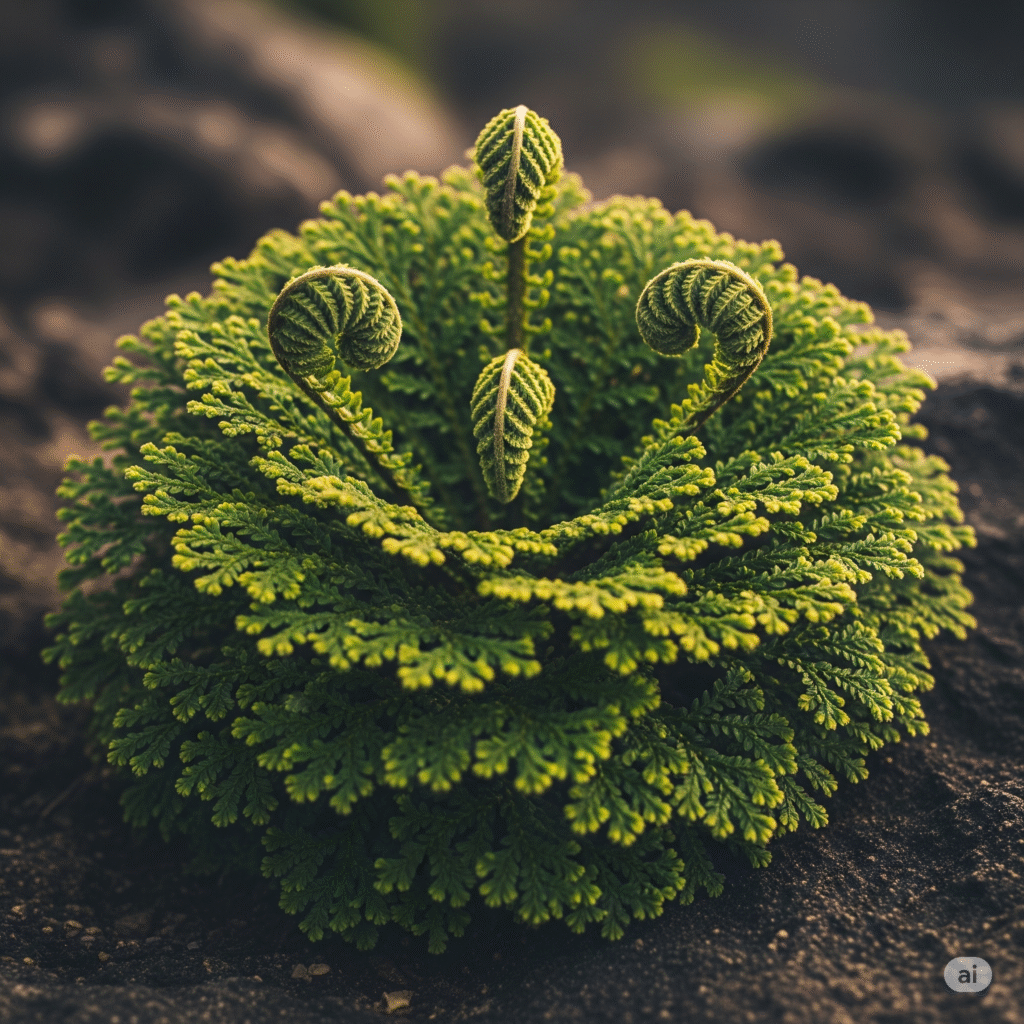
    The Rose of Jericho (Selaginella lepidophylla) is often called a resurrection plant because of its unique ability to survive extreme dehydration. In its dry state, it looks like a lifeless tumbleweed. But when placed in water, it miraculously unfurls and turns green, symbolizing rebirth, renewal, and the return of life.

    This quality makes it a powerful symbol of spiritual regeneration and an embodiment of the Law of Attraction: what was once barren can bloom again.


    Cultural & Spiritual History

    The Rose of Jericho has been used in various traditions including:

    • African Traditional Religions and diaspora practices for drawing good spirits and banishing the bad
    • Hoodoo & Rootwork for reversing bad luck and attracting prosperity
    • Catholic folk magic where it’s associated with the Virgin Mary and miraculous petitions
    • Curanderismo (Mexican folk healing) for protection and blessing the home

    Legends say the plant bloomed at the touch of the Virgin Mary as she fled through the desert, and others claim it was present during the time of Christ. Its historical roots run deep — and its power remains just as relevant today.


    Spiritual Uses of the Rose of Jericho

    This plant is known to:

    • Attract money and prosperity
    • Break hexes or bad luck
    • Protect your home from negative energy
    • Bless new beginnings (perfect for moon rituals or spiritual resets)
    • Resurrect hope, faith, and energy when you feel spiritually dry or stagnant

    How to Activate the Rose of Jericho

    1. Get a clear glass or bowl and fill it with fresh water (rainwater or spring water is best).
    2. Place the dried Rose of Jericho in the bowl. Within a few hours to a day, it will start to open.
    3. Speak your intentions aloud as the petals unfurl. This is your moment of spiritual alignment.

    Tip: Add coins, basil, cinnamon, or a drop of money-drawing oil to enhance abundance energy.

    1. Use the water to anoint your front door, wallet, or altar. You can also pour it across thresholds for home protection.

    Affirmations to Say Over the Rose of Jericho

    Speak these while watching the plant awaken:

    • “As you open, so does my path to wealth.”
    • “What was once still now flows with divine energy.”
    • “I call forth abundance, miracles, and divine timing.”
    • “All blockages are reversed. I am in the flow of blessings.”
    • “Resurrect my strength, renew my mind, and awaken my highest path.”

    Powerful Prayer to the Rose of Jericho

    “O Rose of Jericho, holy plant of resurrection,
    awaken with this water, and bless my sacred intention.
    Open the doors that have been closed.
    Bring back what was lost.
    Protect my path, attract prosperity,
    and let no harm cross my threshold.
    As you rise, so shall I.
    As you bloom, so does my destiny. Amen.”


    Where to Place It

    • On your altar as a living symbol of manifestation
    • Near your entryway for protection and wealth flow
    • On your desk or workspace to boost clarity and open opportunities
    • In the center of a petition ritual (under the bowl, place a paper with your written request)

    After 7 days, remove the Rose and allow it to dry again. Store it in a sacred cloth or box. It can be used again and again — its power never dies.