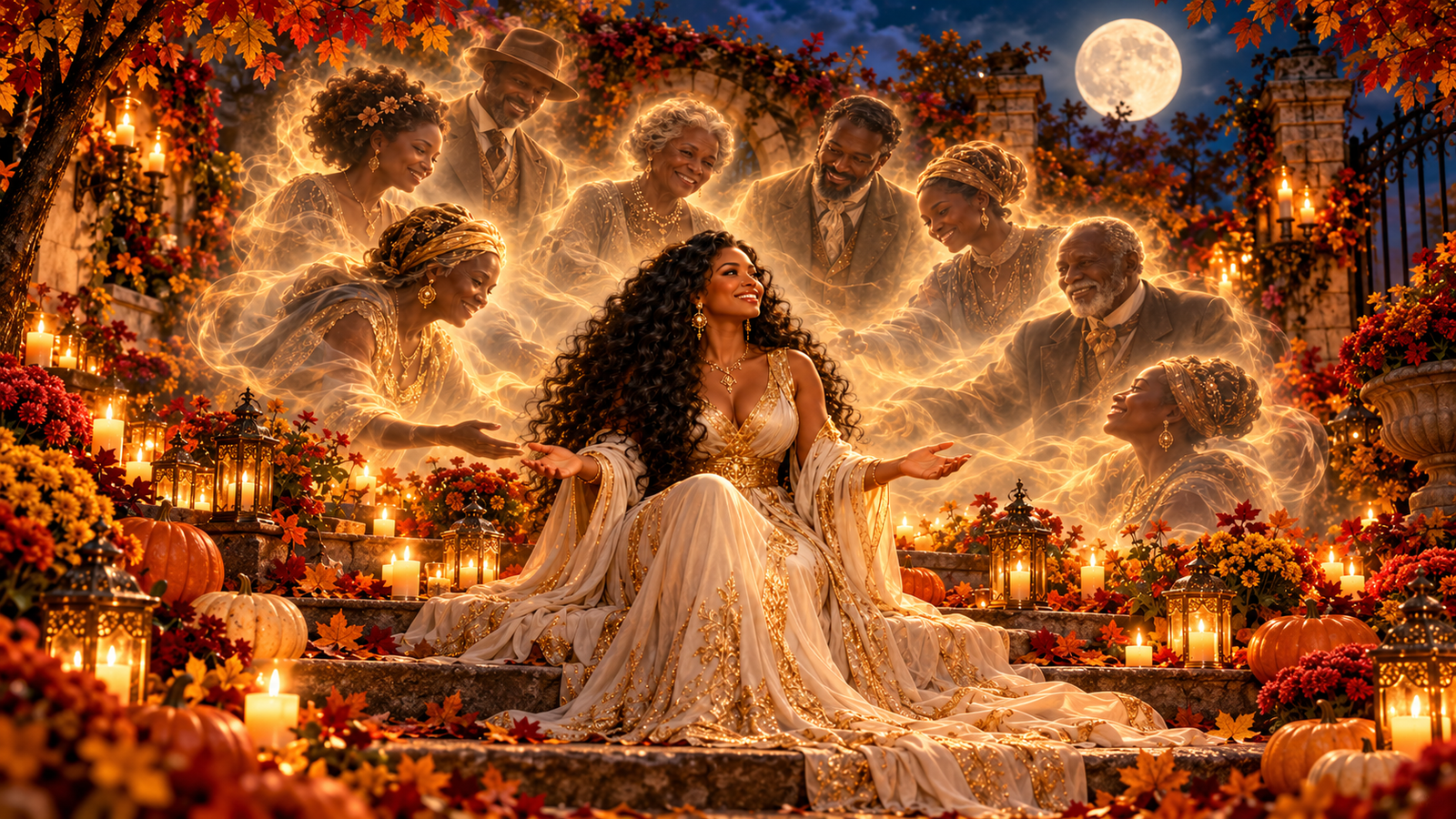
As the leaves change and the days grow shorter, autumn invites us to slow down and reflect. For many of us, this season is also a time to remember the people who came before us—the loved ones whose stories, sacrifices, traditions, and acts of love have touched our lives.
Perhaps you remember a grandmother’s comforting words, a father’s strength, an aunt’s laughter, or a family recipe passed from one generation to the next. These memories can become a beautiful way to keep their influence alive in our hearts.
Around the end of October and the beginning of November, several traditions offer opportunities for remembrance. Samhain, All Hallows’ Eve, All Saints’ Day, and All Souls’ Day each have their own histories and meanings. Exploring them can help us appreciate the different ways people reflect on life, death, faith, and those they love.
What Is Samhain?
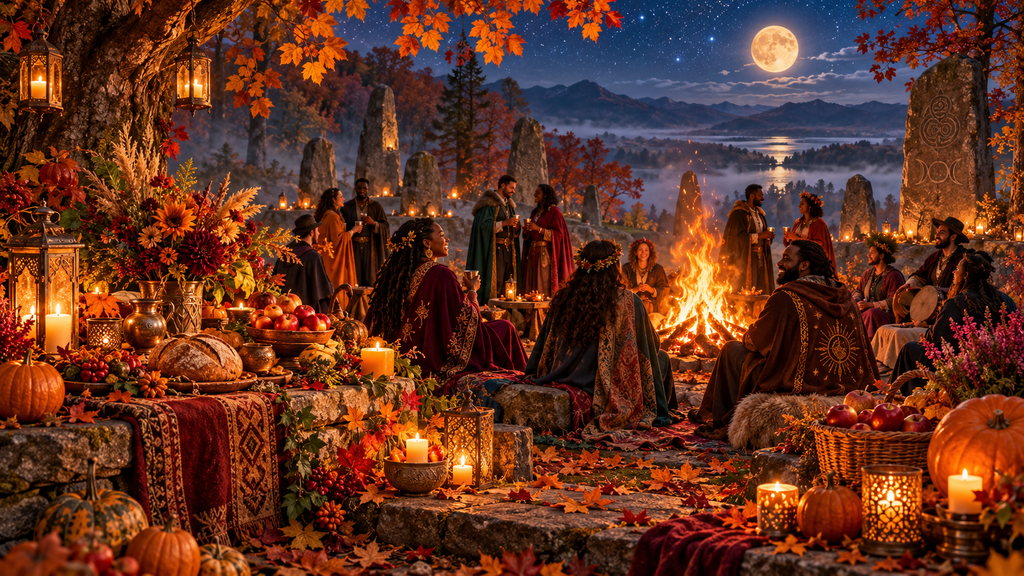
Samhain, often pronounced “SOW-win,” is a Gaelic seasonal festival associated with the end of the harvest and the beginning of winter. It is traditionally observed around October 31 and November 1.
In folklore associated with Samhain, this transition was a time when the boundary between the human world and the otherworld was believed to be more open. Today, some people observe Samhain as a spiritual occasion for reflection, honoring ancestors, and recognizing the turning of the seasons. Practices vary among individuals and communities. robinsoncenter.uw.edu
For someone who observes Samhain, remembrance might include sharing family stories, lighting a candle, preparing a meaningful meal, or setting aside a peaceful moment to reflect on loved ones.
What Is All Hallows’ Eve?
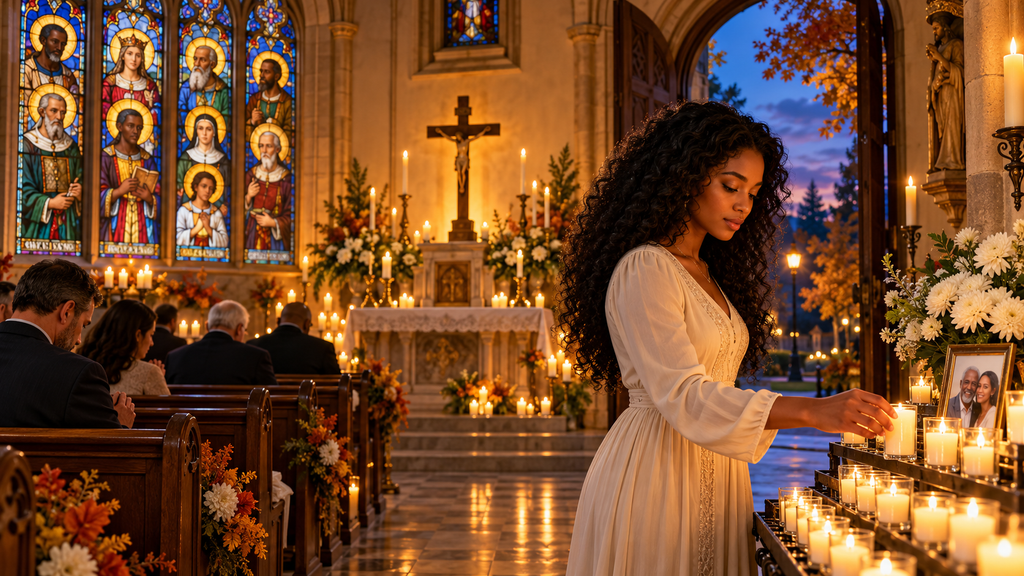
All Hallows’ Eve is October 31, the evening before the Christian observance of All Saints’ Day. The word hallow refers to a holy person or saint, and the name All Hallows’ Eve eventually became Halloween.
Halloween has developed through a mixture of historical and cultural influences. Samhain and Christian observances have distinct histories, even though customs associated with this season have influenced one another over time.
All Saints’ Day and All Souls’ Day
In the Catholic tradition, All Saints’ Day is observed on November 1. It honors the saints—those recognized by the Church and the countless holy people whose names may not be widely known.
All Souls’ Day follows on November 2. It is a day of remembrance and prayer for the faithful departed. Families may attend services, pray, or visit the graves of loved ones. Christian observances can vary by denomination and community. USCCB
Whatever your beliefs, learning about these traditions can encourage us to approach each one with respect and appreciation.
Why Honor Our Ancestors?
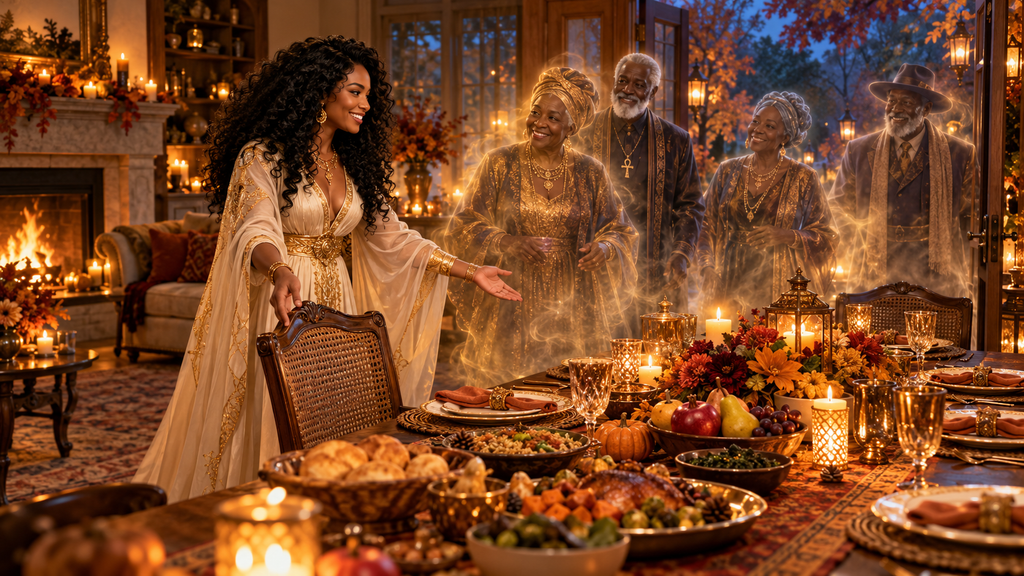
Honoring ancestors can be as simple as remembering the people who shaped your life. You may choose to recognize relatives you knew personally, earlier generations whose names you are discovering, or loved ones who became family through care and connection.
Remembrance can help us:
- Preserve family stories and traditions.
- Express gratitude for meaningful lessons.
- Reflect on both joy and grief.
- Share memories with younger generations.
- Consider what kind of legacy we want to create.
Family histories are not always simple. You are free to honor the people and relationships that feel loving and meaningful to you. You can acknowledge the past honestly while choosing what you want to carry forward.
A Simple Ancestor-Remembrance Ritual
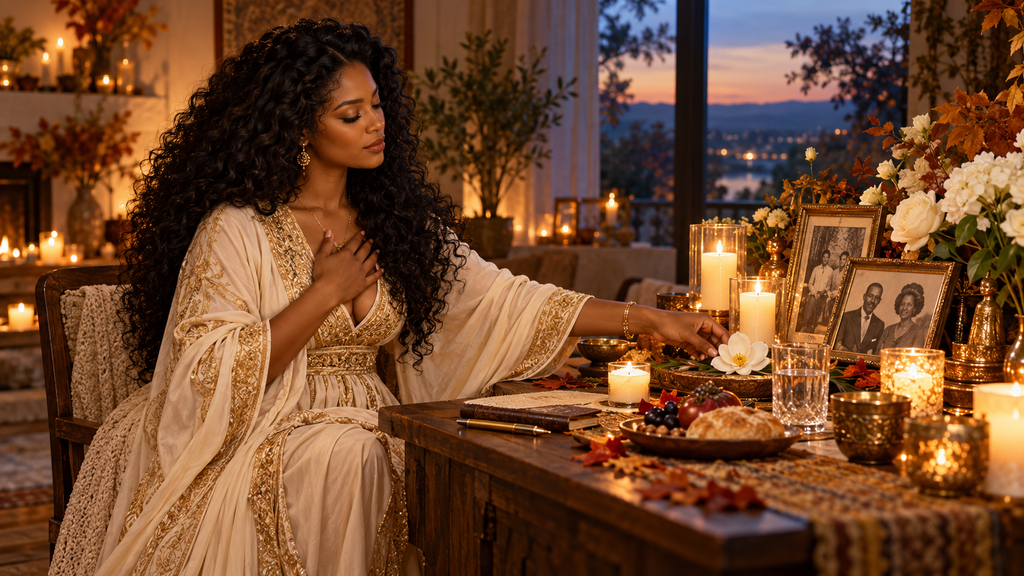
This gentle practice is an invitation to pause and remember. You can adapt it to your beliefs, your family traditions, and whatever feels comfortable.
What You May Need
- A photograph or written name of someone you wish to remember
- A flower or another meaningful object
- A candle or battery-operated light
- A glass of water
- A journal and pen, if you would like to write
You do not need every item. Your intention and attention are enough.

Step 1: Create a Peaceful Space
Choose a quiet place where you can sit comfortably. Arrange your photograph or meaningful object nearby. You may add flowers, a glass of water, or a favorite item that reminds you of your loved one.
If you wish, light a candle or turn on a battery-operated light.
Step 2: Take a Gentle Breath
Sit quietly and take a slow breath in. Then breathe out gently.
Place a hand over your heart if that feels comfortable. Give yourself permission to experience whatever comes up—gratitude, tenderness, sadness, joy, or simply stillness.
Step 3: Remember With Love
Bring to mind a memory, a story, or a quality you appreciate. You might remember the way someone made you laugh, a piece of advice they offered, or a tradition you shared.
If you did not know an ancestor personally, you might reflect on what you have learned about their life or the generations that came before you.

Step 4: Speak an Affirmation
Say these words aloud or silently:
“I honor those who came before me. I carry their love and wisdom forward.”
Pause for a moment and allow the words to settle.
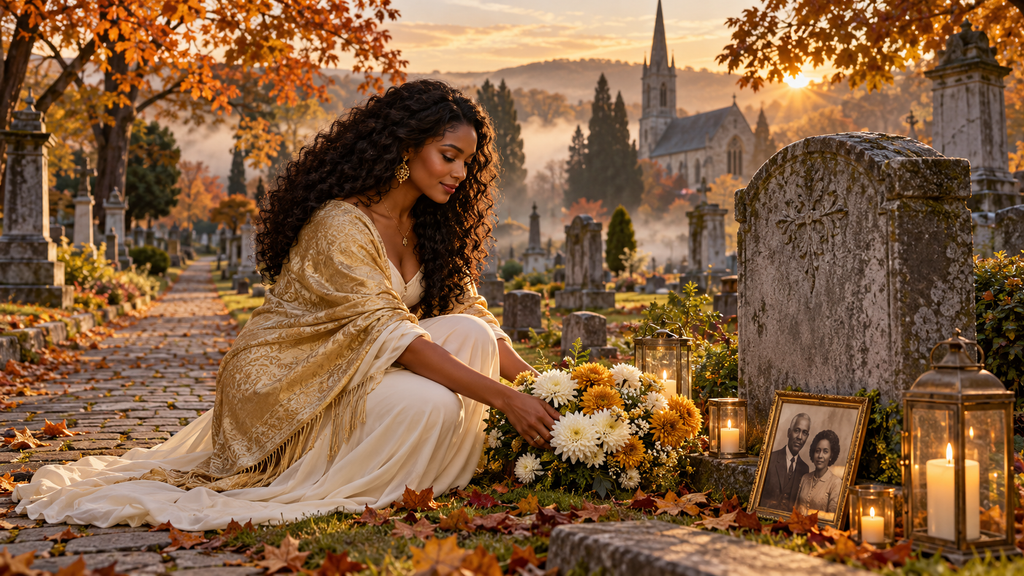
Step 5: Carry the Memory Forward
Ask yourself:
What is one loving lesson, memory, or tradition I want to carry into my life?
You might write about it in your journal, share a story with a family member, prepare a favorite meal, or practice a quality you admired in your loved one.
Five Affirmations for Honoring Your Ancestors
Repeat any of these affirmations that feel meaningful to you:
- I honor my ancestors with love and gratitude.
- I carry the wisdom of those who came before me.
- I cherish the memories and traditions that connect me to my roots.
- I welcome peace and comfort as I remember my loved ones.
- I create a legacy of love for the generations that follow me.
Other Meaningful Ways to Remember
Your remembrance practice does not have to take place at an altar or on a particular date. You can honor loved ones throughout the year in ways that feel personal to you.
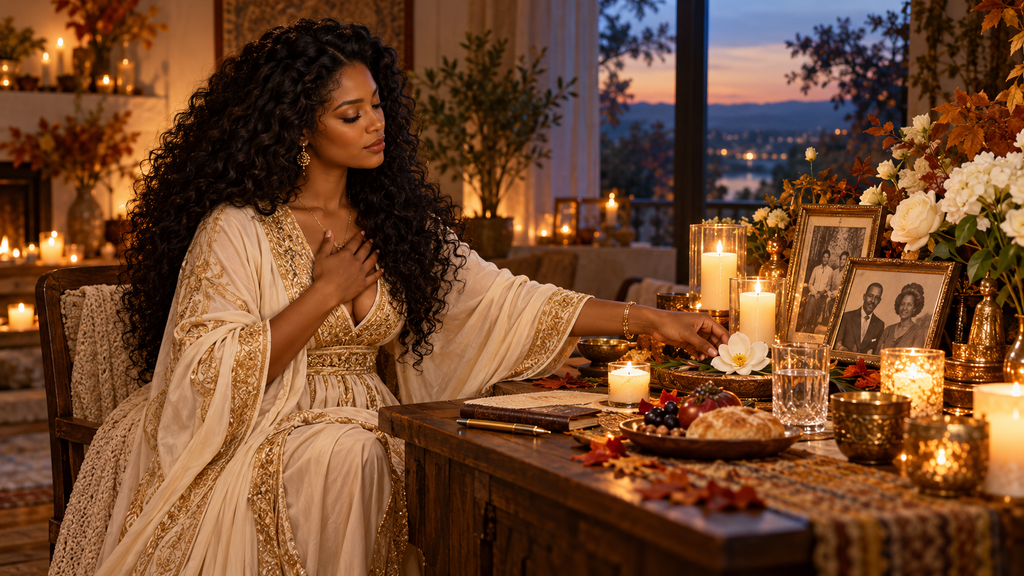
Consider visiting a gravesite and leaving flowers, gathering with family to share stories, preserving old photographs, writing down a treasured recipe, or preparing a place at the table during a family meal.
You could also make a small act of kindness part of their legacy. If someone you loved was known for generosity, laughter, faith, or courage, you can honor that quality by sharing it with others.
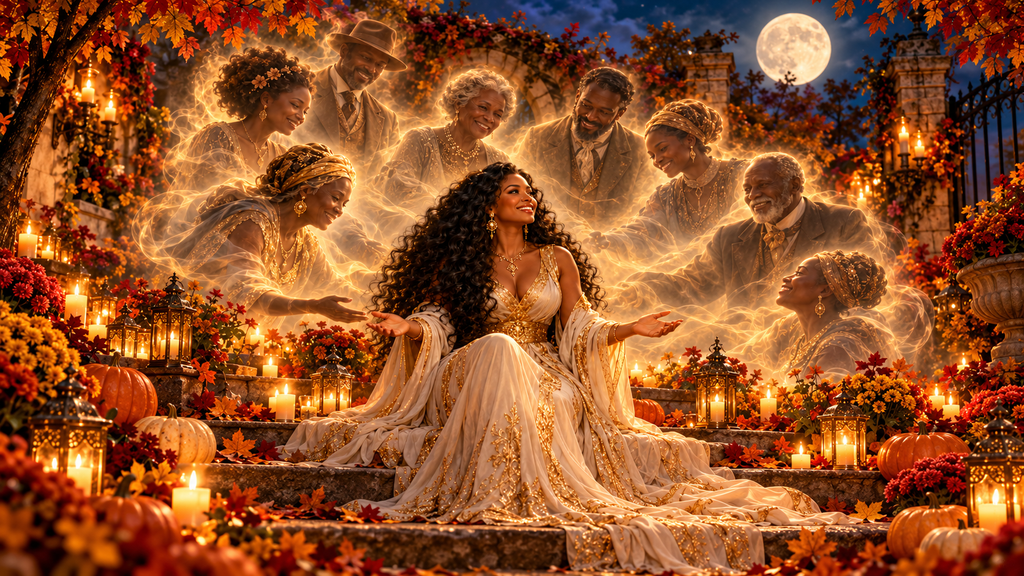
A Legacy of Love
The people who came before us may be remembered in the stories we tell, the traditions we preserve, and the love we pass on. We can honor the past while making thoughtful choices about the future we are creating.
Take a moment to remember someone who has touched your life. Let that memory remind you that even a simple act of love can reach beyond a single moment.
What is one memory, lesson, or family tradition you treasure? Share it in the comments, or write: “I remember with love.” 🕯️
For more spiritual inspiration and intentional-living practices, visit Awake and Conquer.