Tag: #feminineenergy

  • Maa Siddhidatri: Wisdom & Gratitude | Navratri Day 9

    Maa Siddhidatri: Wisdom & Gratitude | Navratri Day 9

    Before you rush toward your next beginning, take a moment to recognize how far you have come.
    Perhaps you have practiced patience. Perhaps you have spoken with greater courage, made room for rest, or offered yourself compassion during a difficult moment. Some changes are quiet enough that we overlook them.
    As our nine-part Navratri journey reaches its final reflection, we turn to Maa Siddhidatri and consider how learning can become wisdom through the choices we make each day.
    Who Is Maa Siddhidatri?
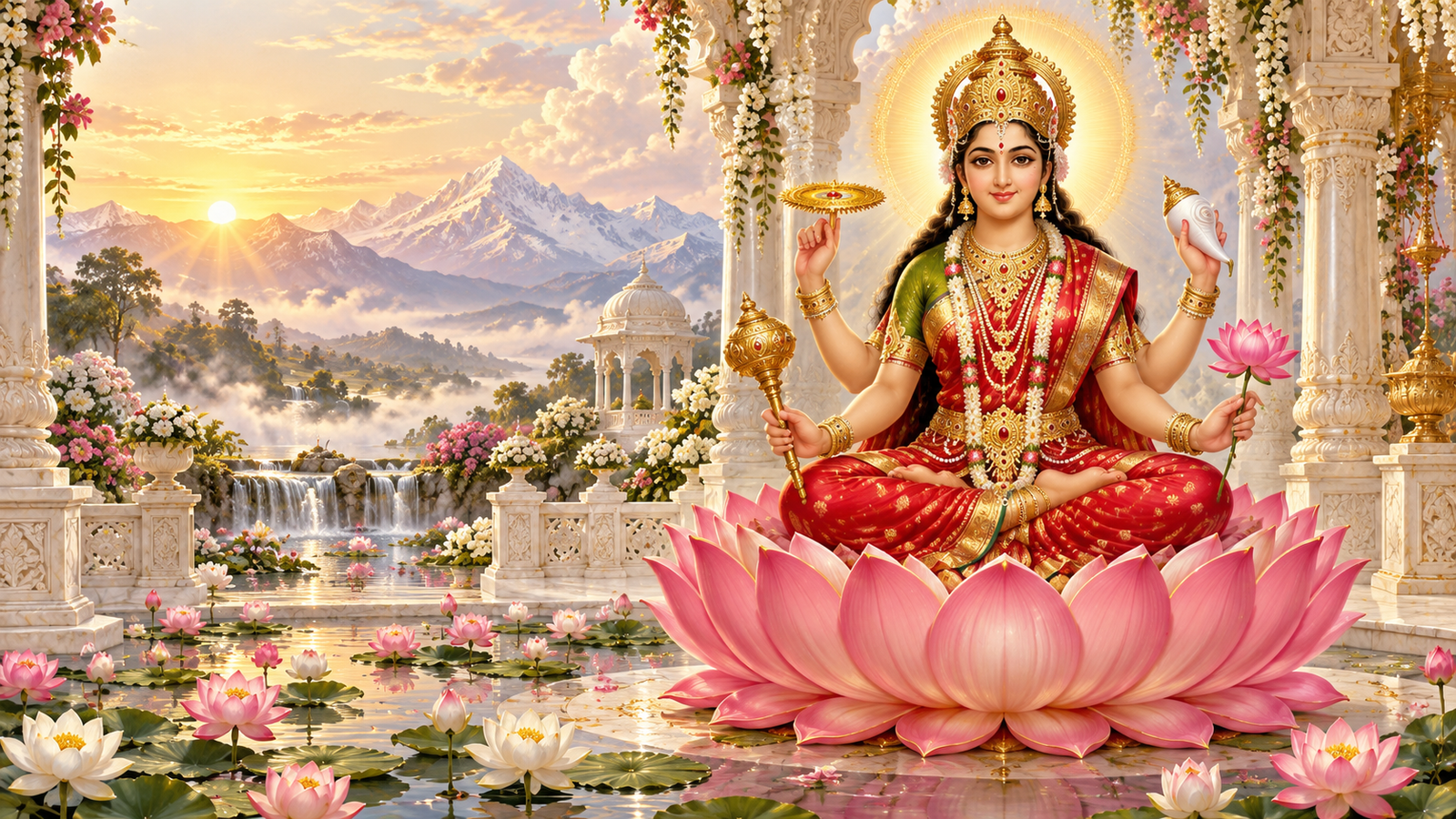
    Maa Siddhidatri is the ninth and final form of Goddess Durga in the Navadurga tradition, honored on the ninth day of Navratri. Her name is commonly understood as “the bestower of siddhis,” referring to spiritual attainments or perfections.
    She is traditionally depicted with four arms, holding a discus, conch, mace, and lotus. Often shown seated upon a blooming lotus, her serene appearance offers a beautiful focus for this closing moment of devotion and reflection.
    Her place in Hindu worship has its own sacred meaning. The everyday practices offered here are personal reflections inspired by this occasion, shared with respect for those religious roots.
    Let Gratitude Help You Recognize Your Growth
    It is easy to measure your life by what remains unfinished.
    The goal you have not reached. The habit you are still building. The answer you are waiting to receive.
    Today, make room to notice something else: the effort you have already made.
    What do you understand now that you did not understand before? Where have you become more patient, honest, or compassionate? What challenge taught you something you can use?
    Gratitude can begin with a simple acknowledgment:
    “I am thankful that I kept going.”
    You can appreciate your effort while still recognizing that there is more to learn.
    Turn One Lesson Into a Choice
    Wisdom becomes useful when it guides your actions.
    You may understand that rest matters. Putting that lesson into practice could mean choosing a time to finish working tonight.
    You may recognize the importance of boundaries. Your next step could be expressing one need clearly and respectfully.
    You may value connection. Today, you could give someone your full attention.
    Ask yourself:
    What have I learned, and how will I live that lesson today?
    Choose an answer that fits your actual circumstances. A modest action you can complete gives your intention somewhere to grow.
    A Quiet Reflection for Day 9
    Set aside a few comfortable minutes. You may use a journal, a piece of paper, or the notes on your phone.
    Take one slow, easy breath. Let your shoulders soften.
    Complete these three sentences:

    • One strength I have developed is…
    • One lesson I want to remember is…
    • One action I will take is…
      Read your answers gently. There is no need to make them sound impressive.
      Perhaps your strength is asking for help. Perhaps your lesson is allowing yourself to begin again. Perhaps your action is making a phone call you have postponed.
      Let your answers be honest enough to guide you.
      This is an optional journaling practice for everyday reflection, separate from traditional Hindu worship.
      Five Affirmations for Wisdom and Gratitude
      Speak these original affirmations slowly, allowing time to consider each one:
      I honor my growth and the effort behind it.
      I welcome wisdom with humility and an open heart.
      I am grateful for the support that helps me grow.
      I put what I learn into thoughtful action.
      I can move forward with patience, courage, and compassion.
      Choose the affirmation that feels most useful today. Return to it when you need a reminder of your intention.
      Carry the Navratri Reflections Forward
      Throughout this series, we have paused with reflections on steadiness, devotion, courage, creativity, nurturing care, purposeful action, facing fear, renewal, and wisdom.
      You do not need to carry every lesson at once.
      Choose one that meets you where you are. Give it your attention tomorrow, and notice how it influences your choices over time.
      As this nine-part journey closes, ask yourself:
      Which reflection will I carry into my next chapter?
      Share your answer in the comments, or write: “I move forward with wisdom.”
      Explore the complete series in our Hindu Goddesses: Divine Feminine Wisdom & Sacred Stories playlist, and watch “The 9 Forms of Durga: Navratri’s Divine Feminine Wisdom” for the full introduction.
      Visit awakeandconquer.com for more spiritual reflections, affirmations, and inspiration for intentional living.
  • Maa Skandamata: Navratri Day 5 and the Strength of a Nurturing Heart

    Maa Skandamata: Navratri Day 5 and the Strength of a Nurturing Heart

    Maa Skandamata: Navratri Day 5 Meaning & Reflection

    There is a kind of strength that holds someone close, listens without rushing, and offers care when life feels heavy. On Day 5 of Navratri, Maa Skandamata invites us to reflect on this nurturing power—and on the courage it takes to love with an open heart.

    As we continue the Awake and Conquer Navratri series, this is a moment to ask: How can I offer compassion without forgetting to care for myself?

    Who Is Maa Skandamata?

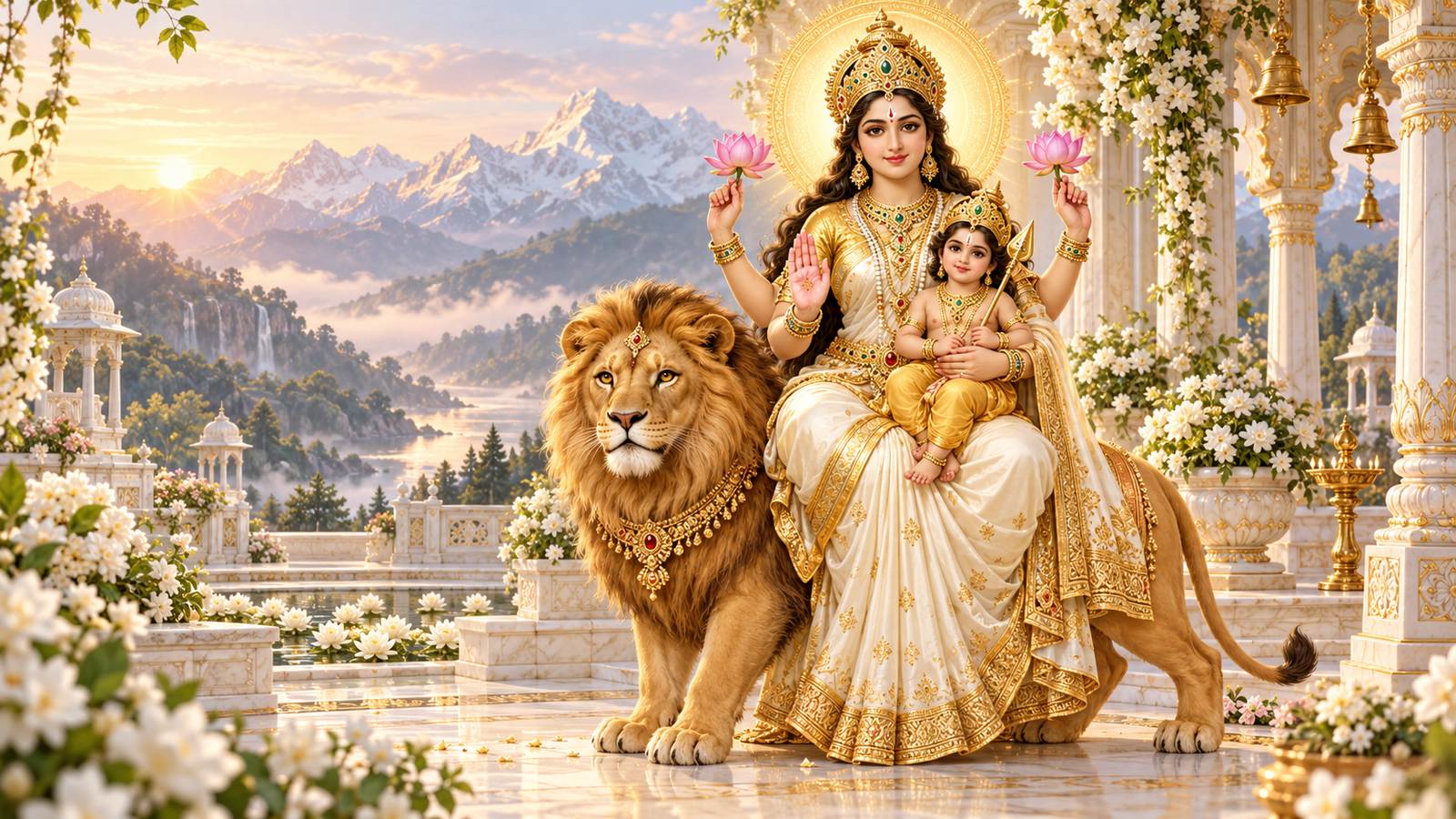
    Maa Skandamata is the fifth of the Navadurga, the nine forms of Goddess Durga honored during Navratri. Her name means “Mother of Skanda.” Skanda, also known as Kartikeya, is the son of Shiva and Parvati.

    In Hindu tradition, this form of the Divine Mother brings motherhood and spiritual strength into focus. Devotees honor her with prayer and devotion as part of the fifth day’s observance.

    The Meaning Behind Her Sacred Image

    Maa Skandamata is traditionally depicted with four arms, holding her child Skanda and lotus flowers, with one hand offering a blessing. Her imagery includes a lion and a lotus seat; her lotus association gives her the name Padmasana.

    For personal reflection, these images offer a beautiful meeting of tenderness and strength. The child can invite us to consider what needs our care. The lion can remind us of courage. The lotus can encourage us to remain open to growth during difficult seasons.

    These reflections are invitations to connect with her imagery, rather than a substitute for the teachings of a particular Hindu lineage.

    Nurturing Others Without Forgetting Yourself

    Many of us know how to give encouragement. We check on loved ones, carry responsibilities, and keep going even when we feel tired.

    But receiving care can feel harder.

    Let this day invite a gentler question: What would change if I treated my own needs with the same respect I give to someone I love?

    Perhaps you need rest. Perhaps you need help with a task. Perhaps you need a boundary that protects your time and energy.

    Compassion can include saying, “I care about you, and I need time to rest.” Love can be generous while still making room for your well-being.

    A Quiet Day 5 Reflection

    This simple reflection is inspired by the day’s themes; it is not a formal Navratri puja.

    Find a comfortable place to sit. Let your shoulders soften and take a few easy breaths.

    Bring to mind something you are nurturing: a relationship, a creative project, your home, or your own sense of peace.

    Ask yourself:

    • What needs patient attention in my life?
    • Where am I giving more than I can sustain?
    • What care am I ready to receive?
    • What small act of kindness can I offer myself today?

    Write down one answer. Then choose one practical action you can complete: ask for help, take a break, prepare a nourishing meal, or give your project a few focused minutes.

    Let your reflection become something you can live.

    Five Affirmations for Love and Inner Strength

    These original affirmations accompany our reflection; they are not traditional Sanskrit mantras.

    1. I offer myself the compassion I share with others.
    2. My tenderness and courage can grow together.
    3. I can nurture my dreams with patient, consistent action.
    4. I welcome support and allow myself to receive care.
    5. I honor my energy, my needs, and my capacity to love.

    Speak them slowly, allowing time to consider what each statement means in your life.

    Let Love Become an Action

    A nurturing heart expresses itself through everyday choices: listening carefully, keeping a promise, offering encouragement, or allowing someone to support you.

    You do not have to carry everything alone to be strong.

    As you reflect on Maa Skandamata this Navratri, consider how love and courage can support each other in your own life. Choose one caring action for today—and include yourself among those worthy of your care.

    What are you choosing to nurture: your peace, your family, your dreams, or yourself? Share in the comments.

    Continue the nine-goddess Navratri journey with Awake and Conquer on YouTube, and explore more spiritual reflections at awakeandconquer.com.

    Jai Maa Skandamata.