Finding Lasting Happiness Through Joy, Gratitude, and Inner Transformation
What if true wealth isn’t measured by the size of your bank account, but by the peace in your heart?
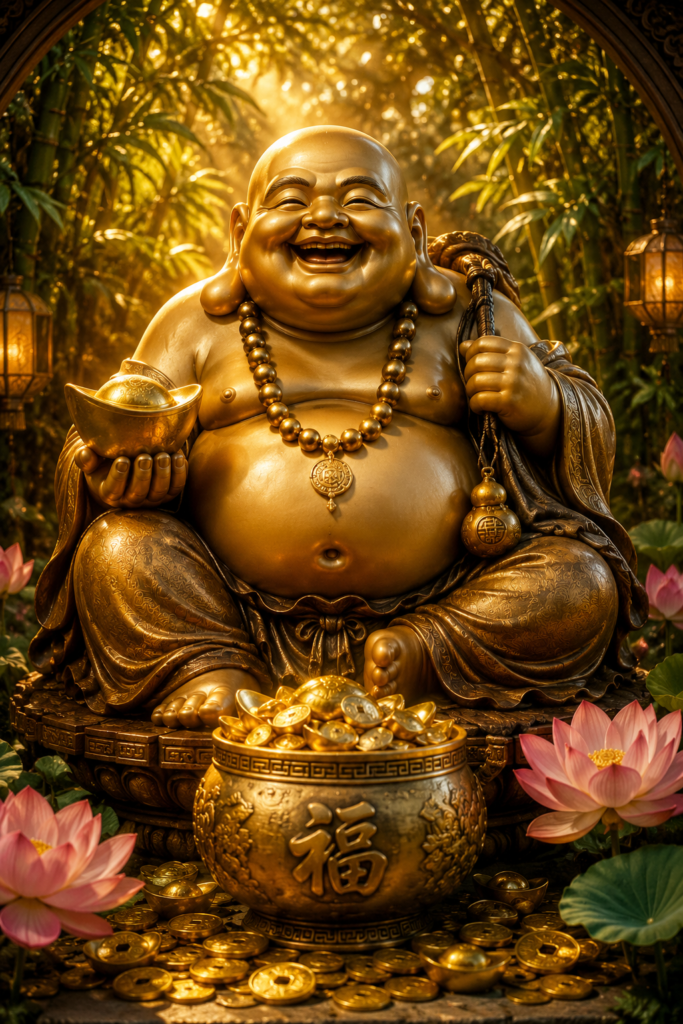
For centuries, the image of the Laughing Buddha has inspired millions around the world. His joyful smile, carefree spirit, and generous heart remind us that happiness is not something we chase—it is something we cultivate.
In Laughing Buddha: The Alchemy of Euphoric Living, Sakshi Chetana explores the transformative power of joy, mindfulness, and conscious living. The book encourages readers to shift their perspective from fear and scarcity toward gratitude, compassion, and inner abundance.
Whether you’re beginning a spiritual journey or deepening an existing practice, its message is timeless: true prosperity begins within.
Who Is the Laughing Buddha?
The Laughing Buddha is commonly associated with Budai, a wandering monk who lived in China during the 10th century.
Known for his infectious laughter, generous nature, and cloth sack filled with gifts, Budai became a beloved symbol of:
- Joy
- Generosity
- Contentment
- Prosperity
- Compassion
- Good Fortune
- Optimism
It’s important to note that Budai is not the historical Gautama Buddha. Instead, he represents a folk tradition that celebrates happiness, kindness, and abundance.
What Does “Alchemy of Euphoric Living” Mean?
Alchemy traditionally referred to transforming ordinary metals into gold.
Spiritually, alchemy represents transforming the inner self.
The “alchemy of euphoric living” is about turning:
- Fear into confidence
- Scarcity into gratitude
- Stress into peace
- Negativity into compassion
- Limitation into possibility
Rather than changing the outside world first, this philosophy begins with transforming your mindset, attitudes, and daily habits.
Five Principles of Euphoric Living
1. Choose Gratitude Every Day
Gratitude helps shift attention from what is missing to what is already present.
Consider ending each day by writing down three things you appreciate, no matter how small.
2. Laugh More Often
Laughter reduces stress, strengthens relationships, and reminds us not to carry every burden alone.
The Laughing Buddha symbolizes finding light even during difficult seasons.
3. Give Generously
Generosity is about more than money.
You can give:
- Time
- Encouragement
- Kindness
- Knowledge
- Compassion
- A listening ear
Acts of generosity often enrich both the giver and the receiver.
4. Release What You Cannot Control
Holding onto worry rarely changes outcomes.
Instead, focus your energy on actions you can take today while accepting that some circumstances remain beyond your control.
5. Find Joy in Ordinary Moments
Euphoric living doesn’t require extraordinary events.
Joy can be found in:
- A sunrise
- A meaningful conversation
- Quiet meditation
- Time with loved ones
- Helping another person
- Appreciating nature
Learning to notice these moments can make everyday life feel richer.
A Daily Joy Practice
Try this five-minute routine:
- Take three slow, mindful breaths.
- Smile intentionally.
- Repeat an uplifting affirmation.
- Reflect on one recent blessing.
- Choose one act of kindness for the day.
Simple habits, practiced consistently, can shape how you experience life.
The enduring appeal of the Laughing Buddha lies in his reminder that happiness is an inner practice rather than a destination.
Books like Laughing Buddha: The Alchemy of Euphoric Living invite readers to cultivate gratitude, generosity, mindfulness, and resilience. While these practices cannot guarantee specific outcomes, they can help build a healthier mindset and a deeper appreciation for life’s everyday blessings.
When you nurture joy from within, you often become better equipped to face challenges, recognize opportunities, and share encouragement with others.
Key Takeaways
- The Laughing Buddha symbolizes joy, generosity, and contentment.
- Spiritual “alchemy” refers to inner transformation rather than material change.
- Gratitude, kindness, and mindfulness are practical ways to cultivate a more joyful life.
- Lasting abundance includes peace, purpose, relationships, and personal growth—not only financial success.