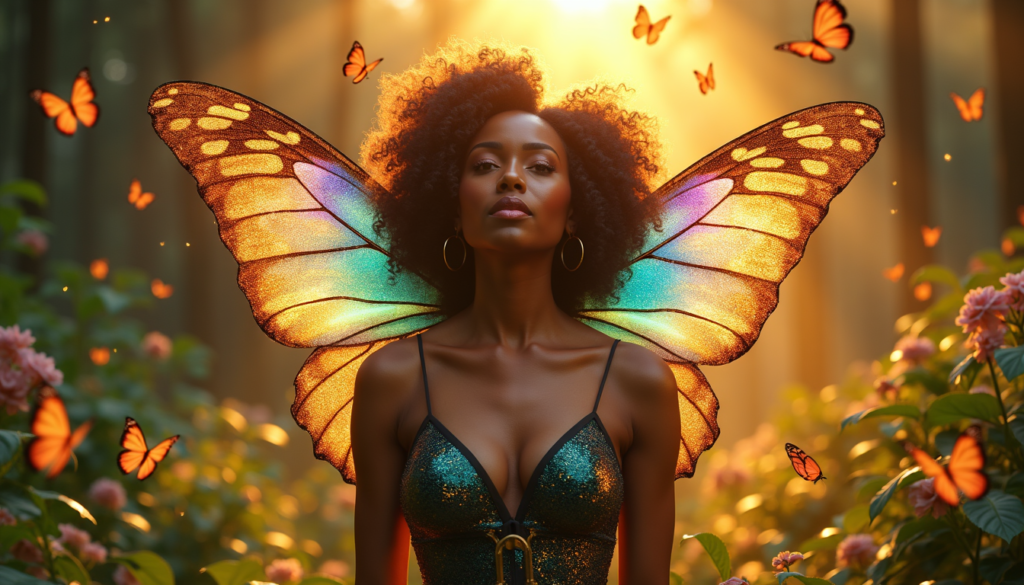
A Great Wagon by Rumi: Beyond Right and Wrong Into Spiritual Unity
Rumi’s A Great Wagon invites us to move beyond the divisions that so often shape human experience—right and wrong, judgment and blame, separation and belonging—and enter a deeper state of spiritual awareness. Its most famous passage begins, “Out beyond ideas of wrongdoing and rightdoing…” and points toward a symbolic meeting place beyond ordinary labels and conflict. The “field” Rumi describes can be understood not necessarily as a physical place, but as a state of consciousness where the ego’s need to judge, defend, compare, and separate begins to dissolve.
At the heart of the poem are themes of transcendence, unity, divine love, and awakening. Rumi encourages us to consider what becomes possible when we stop viewing ourselves and others entirely through opposing categories. Beyond those divisions lies an experience of connection—a recognition that beneath our differences, we participate in something greater than ourselves.
From a spiritual perspective, the poem can also be read as an invitation to awakening. The field represents the inner stillness we encounter when mental noise quiets and we become more receptive to presence, compassion, love, and the Divine. Rumi is not necessarily asking us to abandon discernment or pretend that actions have no consequences. Instead, his imagery points toward a level of consciousness deeper than the arguments and judgments that normally dominate our minds.
This is one reason A Great Wagon continues to resonate centuries after Rumi’s lifetime. Its message speaks to anyone who has felt exhausted by conflict, division, regret, or the constant pressure to decide who is right and who is wrong. Rumi offers another possibility: step beyond the argument for a moment, enter the field of awareness, and discover what remains when separation falls away.
Perhaps that is where true awakening begins—not by winning every argument, but by discovering the place within us where love, presence, and unity are greater than the divisions we have created.